Sell Scrap Metal for Best Price
Send us Email

What Sellers and Buyers Should Be Aware Of Copper Scrap
Copper scrap has become one of the most sought-after commodities in the global recycling market. Whether you’re a seasoned trader, a scrapyard owner, or a newcomer in the business, understanding the dynamics of buying and selling copper scrap is essential. This article explores the key considerations, risks, and best practices that both sellers and buyers should be aware of in the copper scrap trade.
Why Copper Scrap is Valuable
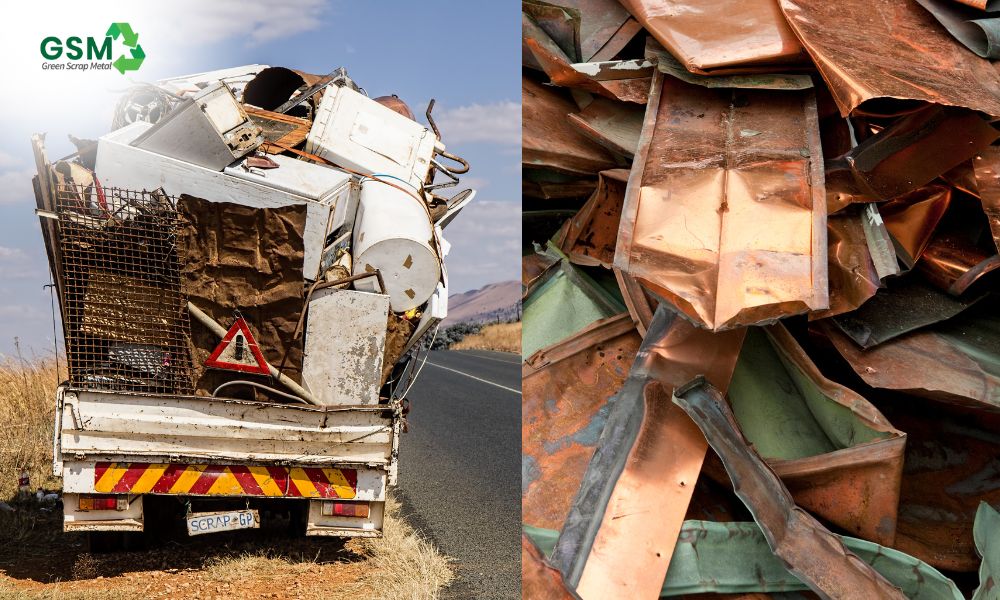
Copper is a non-ferrous metal known for its excellent conductivity and durability. It’s used extensively in electrical wiring, plumbing, industrial machinery, and electronics. Due to its recyclability and the growing demand for sustainable materials, scrap copper has become a lucrative material in the recycling industry.
Benefits of Recycling Copper:
- Environmental Conservation: Reduces the need for mining and minimises environmental impact.
- Economic Value: Commands high prices in the secondary metal market.
- Energy Efficiency: Recycling copper uses up to 85% less energy than producing it from virgin ore.
For Sellers: What You Should Know
1. Know Your Copper Grades
Copper scrap is classified into several grades, each affecting the price. The main categories include:
- #1 Bare Bright Copper: Clean, uncoated, and unalloyed. Highest value.
- #1 Copper: Clean tubing or wire, free from paint or solder.
- #2 Copper: Includes tubing with solder, paint, or corrosion.
- Insulated Copper Wire (ICW): Copper wire covered with plastic or rubber insulation.
- Copper Turnings: Small shavings or residues from machining processes.
Knowing the difference is vital for fair pricing and accurate quotations.
2. Cleanliness and Purity Matter
Buyers will pay more for clean and sorted copper. Contaminated copper (mixed with other metals or materials like plastic, rubber, or solder) fetches a lower price. Investing time in cleaning and separating your scrap can significantly increase your profits.
3. Understand Market Pricing
Copper scrap prices fluctuate based on global supply, demand, and macroeconomic trends. Prices are often tied to the London Metal Exchange (LME) or COMEX. Sellers should monitor these markets or use scrap price indexes to stay informed.
4. Legal Compliance
Ensure your copper scrap comes from legal sources. Due to widespread copper theft, many countries have strict regulations and documentation requirements. Selling stolen or untraceable copper can lead to serious legal consequences.
5. Choose Reputable Buyers
Work with licensed and reputable scrap yards or recycling companies. A good buyer will offer transparent pricing, fair weight measures, and timely payments. Be wary of “cash-only” operations or buyers who refuse to provide proper receipts.
For Buyers: What You Should Know
1. Verify the Source
Copper theft is a global issue, especially from construction sites and utility infrastructures. Always verify the source of the copper scrap you’re buying. Request identification and documentation from sellers, and keep a paper trail.
2. Inspection is Critical
Always inspect the copper scrap before purchase. Look for:
- Purity and cleanliness
- Signs of contamination or oxidation
- Consistency in grade
- Weight accuracy
Use a handheld XRF analyser if available to verify metal composition.
3. Know Your Market
Understanding current market trends is crucial to avoid overpaying. Monitor copper futures, spot prices, and regional scrap price guides. Also consider transportation, handling, and processing costs when calculating your margins.
4. Fraud Prevention
Buyers are often targets for fraud in scrap trading. Common scams include:
- Mixing copper with lower-value metals
- Inflated weight claims
- Selling lower-grade copper as higher-grade material
Implement strict intake protocols and train staff to detect irregularities.
5. Storage and Safety
Copper is heavy, valuable, and often stored in bulk. Ensure your facility has proper storage, handling equipment, and security systems in place. Theft prevention measures, like surveillance and inventory tracking, are essential.
Red Flags in Copper Scrap Deals
Whether you’re buying or selling, watch out for these warning signs:
- Unusually high or low prices
- Pressure to close a deal quickly
- Refusal to provide identification or documentation
- Inconsistent or vague descriptions of the material
- Reluctance to allow inspection
Trust your instincts. If a deal feels too good to be true, it probably is.
Tips for Success in the Copper Scrap Business
1. Build Strong Relationships
Long-term success depends on trust and transparency. Work with reliable partners, communicate clearly, and honor your commitments.
2. Stay Informed
Read industry news, join scrap metal forums, and attend trade shows. Understanding trends and new technologies gives you a competitive edge.
3. Invest in Equipment
Tools like wire strippers, sorting machines, and weighing scales improve efficiency and accuracy. Better tools lead to better profits.
4. Practice Good Record-Keeping
Document all transactions, including photos, receipts, and contracts. This protects both parties in case of disputes or audits.
Final Thoughts
Copper scrap trading can be highly profitable — but only for those who approach it with knowledge and caution. Sellers must know what they have and how to maximise its value, while scrap metal buyers must ensure they’re getting what they pay for. By understanding grades, market dynamics, legal requirements, and the importance of transparency, both sides can thrive in this vital segment of the recycling industry.
Whether you’re flipping a few pounds of copper wire or managing tons of industrial scrap, informed decisions are your most valuable asset.