Sell Scrap Metal for Best Price
Send us Email

How Much Copper Do You Need to Make $1,000 from Scrap Metal?
Copper is one of the most valuable recyclable metals, making it a useful source of additional income for electricians, plumbers, construction companies, factories and other businesses. Instead of throwing away unwanted copper pipes, electrical wiring and manufacturing offcuts, businesses can sell these materials to a scrap metal dealer and recover some of their value.
But how much copper do you actually need to make $1,000?
The answer depends on the type of copper you have, its quality and the current scrap metal price. In this guide, we explain how to estimate the quantity of copper required to earn $1,000 and share practical tips for getting the most value from your copper scrap in Sydney.
How Much Copper Is Needed to Make $1,000?
The amount of copper you need depends on the price offered per kilogram by your scrap metal buyer.
For example, if a buyer offers $10 per kilogram for your copper, you would need 100 kilograms to receive $1,000. However, if the rate is $15 per kilogram, you would need approximately 66.7 kilograms.
Here is a simple breakdown:
| Copper scrap price per kg | Copper needed for $1,000 |
| $5 | 200 kg |
| $8 | 125 kg |
| $10 | 100 kg |
| $12 | 83.3 kg |
| $15 | 66.7 kg |
| $20 | 50 kg |
These figures are examples for calculation purposes, not confirmed current market rates. Actual prices vary between buyers and depend on copper grade, quality and market conditions.
To estimate your potential earnings, divide your target amount by the price offered per kilogram.
Formula: Copper quantity required = Target earnings ÷ Price per kilogram
Remember that transport, collection or other applicable costs may reduce your final earnings.
1. Clean Copper Wire
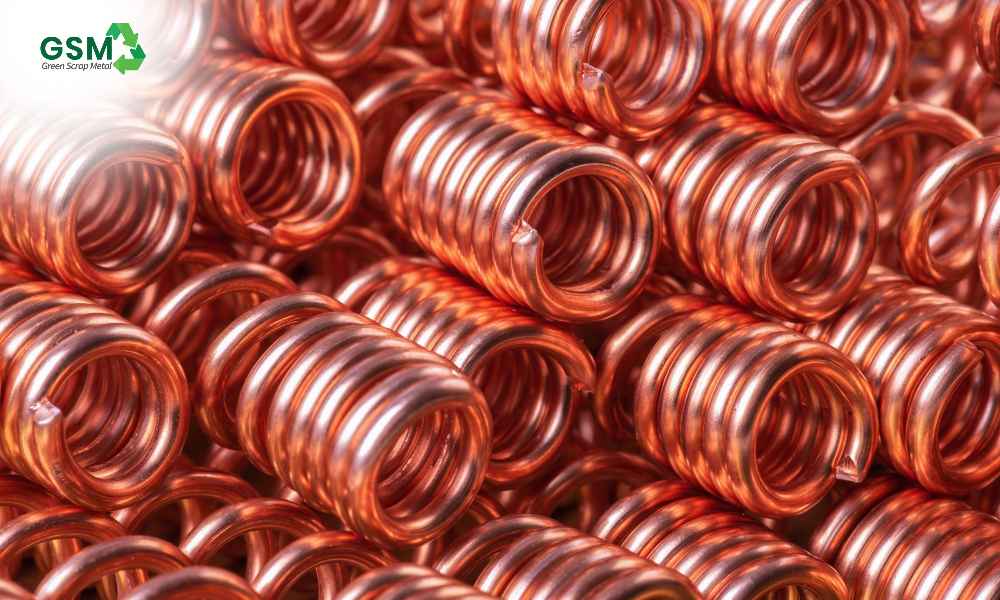
Clean, uncoated copper wire can be among the more valuable forms of copper scrap. It is commonly generated by electricians, construction contractors and businesses upgrading electrical systems.
When old wiring is removed during renovation or maintenance work, suitable copper can be collected and sold rather than discarded.
However, not all copper wire receives the same rate. Buyers may distinguish between clean, bare copper and insulated electrical cables. Wire coatings, attachments and contamination can affect the price.
If your business regularly generates copper wiring, separating eligible materials can help you understand their value before arranging a sale.
Always ensure electrical circuits are safely isolated and have qualified professionals handle electrical work where required.
2. Copper Pipes and Plumbing Offcuts
Plumbers, builders and commercial maintenance teams can generate copper scrap when replacing water pipes, upgrading plumbing systems or completing renovation projects.
Copper pipes and offcuts can contribute towards your $1,000 target, particularly when a business accumulates material over several projects.
Keep copper pipes separate from brass fittings, steel, plastic and other materials wherever practical. Clean, clearly sorted scrap is generally easier for a buyer to assess.
The final price will depend on the copper grade, condition and the buyer’s current rates.
3. Insulated Copper Cables
Insulated copper cables are another common source of scrap copper, especially for electrical contractors, factories and demolition businesses.
However, insulated cables contain materials other than copper, including plastic insulation. As a result, their price per kilogram is generally different from that of clean, bare copper.
The copper recovery rate depends on the cable type and construction. This means you may need significantly more total cable weight to reach your $1,000 target.
Never burn cables to remove insulation. Burning can release hazardous fumes and create serious environmental and health risks.
4. Copper Scrap from Factories and Commercial Businesses
Factories and commercial properties can generate copper scrap through routine operations, equipment replacement and maintenance work.
Common sources include:
- Electrical wiring and redundant cables
- Copper pipes and tubing
- Manufacturing offcuts and leftover materials
- Copper-containing electrical components
- Suitable parts recovered from decommissioned machinery
Businesses can improve scrap recovery by setting up designated collection areas and keeping copper separate from other recyclable metals.
For factories that generate substantial quantities, arranging regular scrap collection may also reduce storage problems and improve workplace organisation.
Before dismantling machinery or electrical equipment, ensure it is safely isolated and that any hazardous materials are managed appropriately.
5. How to Get the Best Value for Your Copper Scrap
If your goal is to make $1,000 from copper recycling, a few practical steps can help you plan more effectively.
- Separate Different Copper Grades: Keep clean copper, copper pipes and insulated cables in separate containers where possible. Different grades may receive different prices, so avoid mixing everything together.
- Check Current Scrap Copper Prices: Copper prices fluctuate. Contact scrap metal buyers to request current rates for your specific material before arranging a sale.
- Weigh Your Copper: Estimate your copper quantity using a suitable scale or request a weight assessment from your buyer. Knowing the approximate weight helps you calculate your potential return.
- Compare the Overall Offer: Ask about weighing procedures, collection arrangements and any applicable fees. A higher advertised price may not provide the best overall return if additional costs apply.
- Collect Copper Consistently: Electricians, plumbers, builders and factories can accumulate copper from multiple jobs. A regular collection process helps prevent valuable scrap from being mixed with general waste.
6. Sell Your Copper Scrap in Sydney
If you have copper scrap and want to turn it into extra income, contact a scrap metal dealer to discuss the materials you have available.
Green Scrap Metal is an option to consider for your copper recycling needs. Whether you have copper pipes, wiring, electrical cables or commercial copper offcuts, contact Green Scrap Metal to confirm accepted materials, current prices and any collection options available for your location.
Providing an estimated weight and identifying the type of copper you have can help the buyer assess your material more efficiently.
Conclusion
Making $1,000 from copper scrap depends on the quantity, grade and price you receive. At an illustrative rate of $10 per kilogram, you would need 100 kilograms of copper. At $15 per kilogram, you would need approximately 66.7 kilograms.
Clean copper, plumbing pipes, insulated cables and industrial offcuts can all contribute to your target, although each material may attract a different price.
For the best results, sort your copper, check current rates and understand any associated costs before selling.
Have copper scrap to sell in Sydney? Contact Green Scrap Metal to discuss your copper recycling needs and find out what your materials may be worth.