Sell Scrap Metal for Best Price
Send us Email

Types of Aluminum Scrap: Complete Guide
Aluminum is one of the most recycled and recyclable metals in the world. About 75% of all aluminum ever produced is still in use today, thanks to efficient recycling processes and the metal’s ability to be endlessly reused without losing quality.
Whether you are a scrap collector, recycling business owner, manufacturer, or just curious about the industry, understanding the different types of aluminum scrap can help you sort, price, and process material more effectively.
In this guide, we’ll explore all major categories, their characteristics, typical sources, and how they are valued in the scrap market.
Why Aluminum Scrap Classification Matters
Aluminum scrap isn’t all the same. Every type has different levels of purity, alloy content, coatings, and contamination. These differences affect:
- Market price
- Melting efficiency
- Quality of recycled metal
- Processing cost
- End-use applications
Knowing the correct grade allows recyclers and sellers to negotiate better rates and avoid costly mistakes.
Aluminum Scrap Categories (According to Industry Standards)
The aluminum scrap industry typically divides material into two large groups:
- Old Scrap – Post-consumer waste (cans, old windows, electrical parts, vehicle parts)
- New Scrap – Manufacturing/industrial scrap (leftovers from machining, stamping, and fabrication)
Both contain multiple sub-categories, each with its own market grade.
Common Types of Aluminum Scrap
Below are the main aluminum scrap types recognized globally by recycling facilities and ISRI (Institute of Scrap Recycling Industries).
1. Aluminum UBC (Used Beverage Cans)
Also known as: Cans, UBC scrap, Aluminum can scrap
Purity: 92–98%
Source: Soda cans, beer cans, juice cans
UBC is one of the cleanest and most valuable aluminum scrap types due to its consistent alloy (mostly 3104/3004). It is widely used to produce new cans, automotive parts, and sheet metal.
Key benefits:
- High recycling value
- Easy to collect and compress
- Melts quickly due to thin walls
2. Aluminum Extrusions (6063, 6061)
Grade: 6063 (most common), 6061
Source: Window frames, door frames, curtain walls, structural aluminum
Extrusion scrap is in high demand because it comes from uniform alloys used in construction. Clean aluminum extrusions (“clean 6063”) fetch some of the highest prices.
Clean vs. Dirty Extrusions
- Clean extrusions: No screws, paint, plastic, or attachments
- Dirty extrusions: Contain contamination such as steel, rubber, or excessive paint
3. Aluminum Sheet Scrap (Old Sheet / New Sheet)
Old Sheet Aluminum
Sources:
- Pots and pans
- Roofing sheets
- Siding
- Old signs
- Car body panels
Often mixed alloys, more contamination, and paint.
New Sheet Aluminum
Sources:
- Manufacturing leftovers
- Stampings
- Laser-cut scrap
Higher purity, consistent alloy, and better resale value.
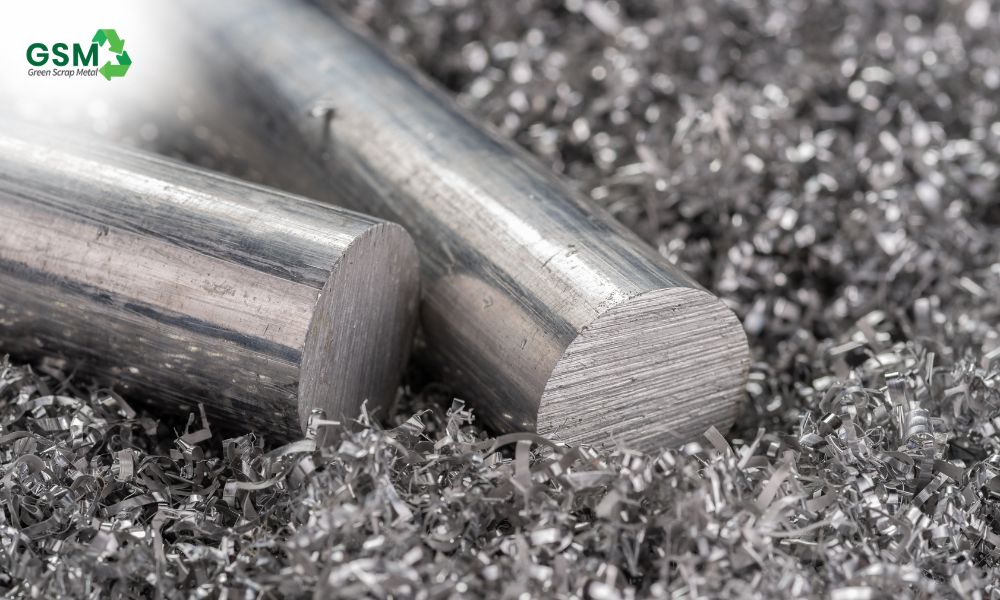
4. Aluminum Turnings / Swarf
Also known as: Chips, filings, machine shop scrap
Source: CNC machines, lathes, milling machines
Turnings contain:
- Oils
- Moisture
- Mixed alloy chips
Because of contamination, turnings are priced lower than solid scrap. However, they melt efficiently once cleaned and dried.
5. Aluminum Cast Scrap
Sources:
- Engine blocks
- Transmission housings
- Automotive parts
- Grills
- Mechanical components
Cast aluminum is thick and heavy. It contains silicon and other alloying elements, making it different from sheet or extrusion alloys.
Types include:
- Clean cast aluminum
- Dirty cast aluminum (contaminated with steel inserts, oils, or plastic)
6. Aluminum Wheels (Clean & Dirty)
Sources: Car rims, motorcycle rims
Aluminum wheels are usually alloyed with magnesium for strength. They are popular in the recycling market.
- Clean wheels: Valve stems removed, no tires, no weights
- Dirty wheels: Metal weights, rubber, paint, or steel inserts attached
7. Aluminum Foils
Sources:
- Food foil
- Packaging materials
- Heat exchangers
- HVAC fin stock
Foil has a low density and burns off coatings during melting, producing more dross. Despite this, it remains recyclable.
8. Aluminum Radiators & Heat Exchangers
Types:
- Clean radiators (no steel or copper attached)
- Dirty radiators (with plastic tanks or steel fins)
- Aluminum-copper radiators
- Aluminum radiators with iron
Radiators need to be properly sorted to avoid contamination in the melting process.
9. Mixed Aluminum Scrap
This includes any combination of alloys or products that cannot be classified into a single grade:
- Painted extrusions
- Mixed automotive scrap
- Household items
- Unsorted sheet + cast pieces
Mixed scrap is the lowest-priced grade due to unpredictable composition.
10. Specialty Aluminum Scrap Grades
Some categories require special handling:
Aerospace Aluminum Scrap: Alloys: 7075, 2024. Used in aircraft structures—high strength, higher metal value.
Litho Sheets: Used in printing industry; clean, consistent alloy (typically 1100 or 3003).
Aluminum Cable/Wire: Often mixed with steel or insulation, requiring stripping or specialty processing.
How Aluminum Scrap Is Valued
Scrap yards and buyers consider several factors:
✔ Alloy Type: 6063 extrusions > cast aluminum > mixed scrap.
✔ Cleanliness: More contamination = lower value.
✔ Form: Sheets and solid pieces melt more efficiently than turnings or foil.
✔ Market Demand: Automotive, packaging, and construction industry trends affect prices.
✔ Metal Purity: Higher purity yields better aluminium scrap price and easier recycling.
Best Practices for Sorting Aluminum Scrap
To maximize value:
- Separate cast from sheet
- Remove steel bolts, plastic, and rubber
- Keep UBC cans clean and compacted
- Separate 6063 extrusions from mixed metal
- Store turnings dry to reduce moisture penalties
- Remove tires and weights from wheels
Proper sorting can increase earnings by 15–40%.
Final Thoughts
Aluminum scrap is one of the most profitable and sustainable materials in the recycling industry. Understanding the different types, from UBC cans to aerospace alloys, helps you:
- Get better scrap prices
- Improve recycling efficiency
- Reduce waste
- Support a circular economy
Whether you’re a scrap metal dealer, manufacturer, or recycler, proper knowledge of aluminum scrap grades is essential for maximizing value and minimizing processing costs.