Sell Scrap Metal for Best Price
Send us Email

Scrap Motor Prices Today – Copper vs Whole Motor Rates
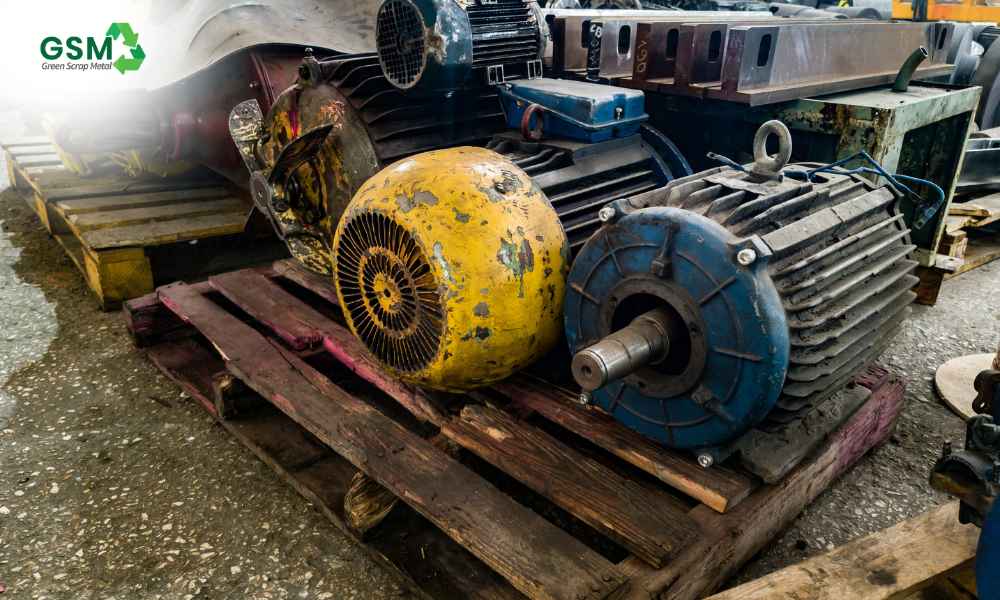
Electric motors are one of the most common types of scrap metal collected from homes, workshops, factories, farms, and construction sites. Whether you’re replacing an old air conditioner motor, industrial pump, electric motor, or machinery component, recycling it can put extra money in your pocket.
One question many sellers ask is: Should I sell the motor whole or strip it for the copper inside? The answer depends on the type of motor, the amount of copper it contains, the time required to dismantle it, and current scrap metal prices.
In this guide, we’ll explain the difference between whole motor rates and copper recovery, and how to maximise the value of your scrap motors.
Why Electric Motors Have Scrap Value
Electric motors contain a mix of valuable recyclable materials, including:
- Copper windings
- Steel housing
- Aluminium components
- Cast iron
- Brass fittings
The copper inside the motor is usually the most valuable material. However, extracting it takes time and effort, which is why many people choose to sell motors whole.
Whole Motor Scrap Prices
Most scrap metal recyclers purchase electric motors as complete units.
The price is based on:
- Total weight
- Motor size
- Copper content
- Condition
- Type of motor
Whole motors are quick and easy for recyclers to process, making them a convenient option for most sellers.
Typical electric motor scrap prices are significantly lower than clean copper prices because the motor contains steel, aluminium, insulation, and other materials in addition to copper. Current Australian examples show whole electric motors often selling for around $0.70–$1.40 per kilogram, depending on size, condition, and the recycler.
Copper Scrap Prices
Copper scrap is one of the highest-paying common scrap metals in Australia.
Clean copper recovered from electric motors can attract substantially higher prices than whole motors because recyclers don’t need to separate the materials themselves.
Depending on the grade, clean copper may sell for well over $10 per kilogram in favourable market conditions, while mixed or contaminated copper receives less. Prices fluctuate regularly based on international copper markets.
Why Copper Pays More
Copper is highly sought after because it offers:
- Excellent electrical conductivity
- High recycling value
- Strong global demand
- Endless recyclability without losing quality
Industries such as construction, renewable energy, telecommunications, and manufacturing all require large quantities of recycled copper.
Because of this demand, copper consistently commands much higher prices than mixed electric motors.
Should You Strip Your Electric Motors?
The answer depends on several factors.
a. Selling Whole Motors
Selling motors intact is usually the best option if:
- You have large quantities.
- You don’t have dismantling tools.
- The motors are difficult to open.
- Labour costs outweigh the extra value.
- You want a quick and convenient sale.
Many businesses prefer this option because it saves time.
b. Recovering Copper
Removing the copper may increase your return if:
- The motor contains a large amount of copper.
- You have the right equipment.
- You understand how to dismantle motors safely.
- The additional labour is worthwhile.
However, not all motors contain large amounts of copper. Some modern motors use aluminium windings instead, which are worth considerably less.
Factors That Affect Scrap Motor Prices
Several factors determine how much you’ll receive.
a. Copper Content
Older industrial motors often contain more copper than smaller modern motors.
Higher copper content generally means higher value.
b. Motor Size
Larger motors usually contain more recyclable material and therefore attract better returns.
Industrial motors, pumps, and generators are often worth more than small household motors.
c. Material Cleanliness
Clean, uncontaminated motors are easier to recycle.
Remove unnecessary attachments where practical, including:
- Plastic covers
- Rubber mounts
- Excess wiring
- Non-metal components
d. Market Prices
Copper prices change regularly based on global supply and demand. Recent market reports show copper prices moving up and down from week to week, which directly affects what recyclers can pay for both copper and electric motors.
Tips to Maximise Your Scrap Motor Value
If you’re planning to recycle electric motors, follow these simple tips:
- Separate electric motors from other scrap metals.
- Keep copper, brass, aluminium, and steel in separate piles.
- Accumulate larger quantities before selling if possible.
- Remove obvious contaminants.
- Compare quotes from reputable scrap metal recyclers.
- Stay informed about current copper market prices.
For businesses generating large quantities of electric motors, bulk collections often attract more competitive pricing.
Whole Motor vs Copper – Which Is Better?
There isn’t a single answer for everyone.
If you have only a few motors, the time required to remove the copper may not justify the additional return.
However, if you regularly process large industrial motors and have the proper equipment, recovering clean copper can generate significantly higher revenue.
Many commercial recyclers calculate whether labour costs exceed the extra value before deciding to dismantle motors.
Final Thoughts
When comparing scrap motor prices, clean copper almost always pays more per kilogram than whole electric motors because of its higher market value and lower processing costs. However, selling motors intact is often the more practical and cost-effective choice for homeowners, tradespeople, and businesses without specialised equipment.
The best option depends on the motor’s copper content, the time involved in dismantling it, and current scrap metal prices. By understanding these factors and working with a trusted scrap metal recycler, you can maximise the value of your unwanted electric motors while supporting responsible recycling across Australia.