Sell Scrap Metal for Best Price

Send us Email

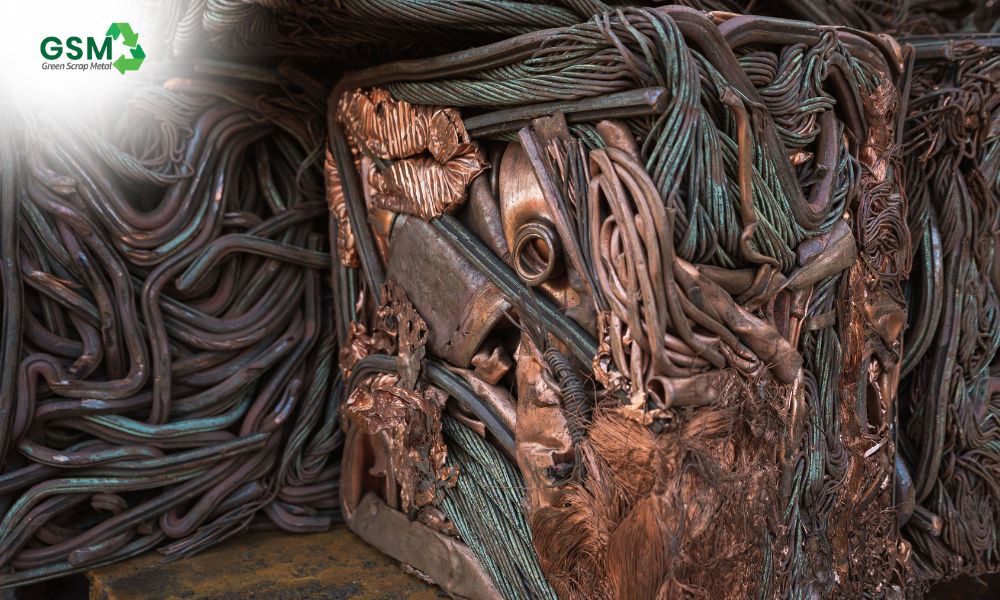
How to Store Copper Scrap Without Losing Value
Copper scrap is one of the most valuable recyclable metals, widely used in construction, electronics, and manufacturing. Whether you are a scrap dealer, contractor, electrician, or small-scale recycler, proper storage of copper scrap is essential to maintain its quality and market value. Poor handling and storage can lead to contamination, corrosion, theft, or misclassification, each of which can significantly reduce your profits. This guide explains practical and effective ways to store copper scrap without losing value.
1. Understand Copper Scrap Grades
Before storage, it’s important to understand that copper scrap comes in different grades, such as bare bright copper, #1 copper, #2 copper, and insulated copper wire. Each grade has a different market value. Mixing grades together can lower the overall price you receive. Always identify and separate copper scrap by grade before storage to ensure you get the best possible return.
2. Keep Copper Scrap Dry
Moisture is one of the biggest threats to copper scrap value. Exposure to water can cause oxidation and corrosion, leading to discoloration and surface degradation. While copper corrosion does not destroy the metal, it can downgrade the scrap classification and reduce its selling price.
Store copper scrap in a dry, covered area such as a warehouse, shed, or sealed container. If outdoor storage is unavoidable, use weatherproof tarps or covered bins and ensure water cannot pool around or inside the storage area.
3. Store Indoors Whenever Possible
Indoor storage is ideal for preserving copper scrap quality. A controlled environment protects the metal from rain, humidity, dirt, and airborne contaminants. Indoor storage also reduces the risk of theft, which is a major concern due to copper’s high resale value.
If you handle large quantities, consider dedicating a secure indoor space with proper ventilation to prevent moisture buildup while keeping the copper clean and dry.
4. Use Proper Containers
Using the right storage containers helps prevent contamination and damage. Plastic bins, wooden crates, or metal containers with clean interiors are good options. Avoid containers that previously held oil, chemicals, or waste, as residue can contaminate the copper and lower its grade.
Label containers clearly by copper type and grade. This not only preserves value but also saves time during sorting and selling.
5. Remove Non-Copper Materials
Copper scrap often comes with attachments such as insulation, steel screws, plastic coatings, or rubber. Leaving these materials attached can downgrade the copper and reduce its value. Strip insulation from wires when feasible and remove any non-copper components before storage.
Clean copper scrap, free from dirt, grease, or solder, will always fetch a higher price than contaminated material.
6. Prevent Physical Damage
While copper is durable, unnecessary bending, crushing, or cutting can affect its classification. For example, bare bright copper requires the metal to be uncoated, unalloyed, and free from excessive damage. Handle scrap carefully during collection and storage to preserve its physical integrity.
Stack copper neatly and avoid placing heavy objects on top of it to prevent deformation.
7. Separate Copper from Other Metals
Never store copper scrap together with other metals such as aluminum, brass, or steel. Cross-contamination can cause misclassification and may force buyers to downgrade the entire batch. Use clearly marked storage zones or containers to keep copper separate from other scrap metals.
8. Protect Against Theft
Copper scrap theft is a common problem due to its high market demand. Secure your storage area with locks, fencing, surveillance cameras, or alarm systems if possible. Keep storage locations discreet and limit access to authorised personnel only.
Maintaining good inventory records can also help detect losses quickly and improve accountability.
9. Monitor Storage Time
While copper does not spoil, long-term storage increases the risk of corrosion, contamination, and market price fluctuations. Monitor copper prices and aim to sell scrap when market conditions are favorable rather than storing it indefinitely.
Regularly inspect stored copper for signs of moisture, oxidation, or contamination so problems can be addressed early.
Conclusion
Proper storage of copper scrap is essential to maintaining its quality and maximising its resale value. By keeping copper dry, clean, separated by grade, and securely stored, you can avoid unnecessary losses and ensure you receive top market copper scrap prices. Investing time and effort into correct storage practices not only protects your materials but also improves efficiency, safety, and profitability in the long run.
Whether you handle copper scrap occasionally or as a full-time business, smart storage is a key step toward getting the most value from every pound of copper you collect.