Sell Scrap Metal for Best Price
Send us Email

Everything You Need to Know About Scrapping Copper Wire
Copper wire is one of the most valuable materials in the scrap metal industry. Whether you are an electrician with leftover materials, a contractor cleaning up a job site, or a homeowner looking to make extra cash, scrapping copper wire can be both profitable and environmentally friendly. Understanding how copper wire is categorised, prepared, and sold can help you maximise your earnings while contributing to sustainable recycling efforts.
Why Copper Wire Is Valuable
Copper is highly sought after because of its excellent electrical conductivity, durability, and resistance to corrosion. It is widely used in electrical systems, plumbing, electronics, telecommunications, and industrial machinery. Since mining and refining new copper require significant energy and resources, recycling copper helps reduce environmental impact and conserves natural resources.
Unlike many materials that lose quality during recycling, copper can be recycled repeatedly without degrading. This makes scrap copper extremely valuable in global markets.
Types of Scrap Copper Wire
Not all copper wire is worth the same amount. Scrap metal yards classify copper into categories based on purity, cleanliness, and insulation.
1. Bare Bright Copper
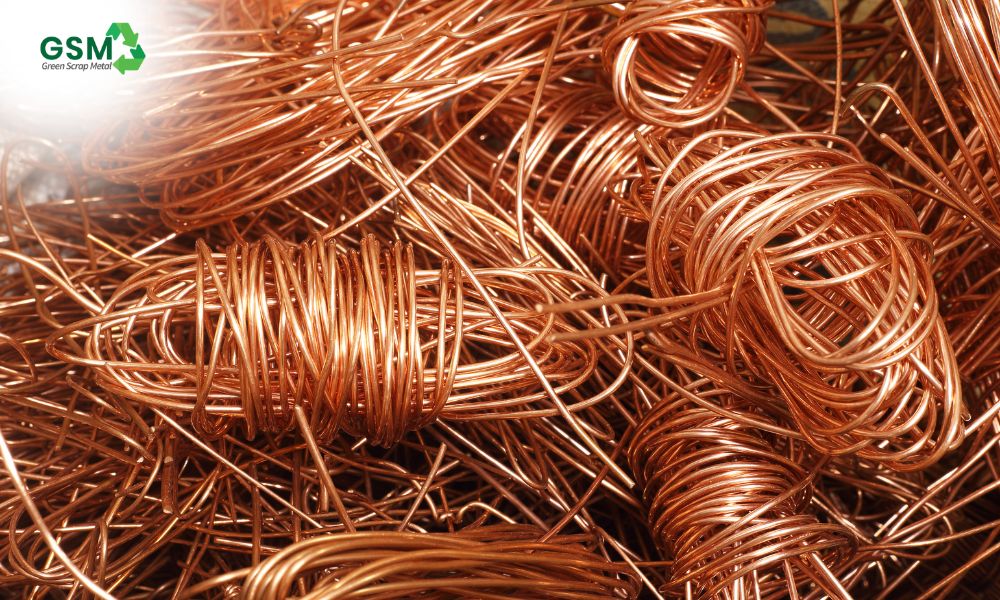
Bare bright copper is the highest-grade copper wire. It consists of clean, shiny, uncoated, and unalloyed copper wire that is usually at least 16 gauge thick. Since it contains nearly pure copper, it commands the highest price at scrap yards.
2. #1 Copper Wire
#1 copper wire includes clean copper tubing or wire with no paint, solder, insulation, or excessive tarnish. It may not be as pristine as bare bright copper, but it still holds strong value.
3. #2 Copper Wire
#2 copper wire contains some contamination such as solder, paint, oxidation, or coatings. It may also include thinner gauge wire. Because of impurities, it sells for less than #1 copper.
4. Insulated Copper Wire
This category includes copper wire covered in plastic or rubber insulation. The value depends on the percentage of recoverable copper inside the insulation. Thick household extension cords usually contain more copper than thin electronic cables.
How to Prepare Copper Wire for Scrap
Proper preparation can significantly increase the amount of money you receive for your scrap copper.
1. Separate Different Grades
Do not mix bare bright wire with insulated wire or lower-grade copper. Scrap yards pay based on classification, and mixing materials can reduce the overall value of your load.
2. Remove Insulation
Stripping insulation from copper wire can increase its value, especially for thicker wires. Manual wire strippers, automatic stripping machines, or utility knives can be used for this process. However, stripping very thin wire may not be worth the time and effort.
3. Keep Copper Clean
Avoid contaminating copper with steel, aluminum, brass, or other materials. Clean copper is easier for recyclers to process and receives higher payouts.
4. Never Burn Wire
Some people attempt to burn insulation off copper wire, but this practice is dangerous, illegal in many areas, and harmful to the environment. Burning releases toxic fumes and can result in fines or rejected scrap loads.
Where to Find Scrap Copper Wire
Copper wire can be found in many places, especially during renovation or demolition projects. Common sources include:
- Old electrical wiring
- Extension cords
- Household appliances
- Electronics and computer cables
- Air conditioning units
- Construction site leftovers
- Automotive wiring
If you regularly work in construction, electrical repair, or property maintenance, collecting and sorting scrap copper can create an additional source of income.
Understanding Copper Prices
Copper scrap prices change frequently based on global supply and demand, industrial production, and market conditions. Economic growth, infrastructure development, and manufacturing activity all influence copper value.
Scrap yards usually update their prices daily or weekly. Before selling your scrap, it is smart to call several recycling centers to compare rates. Some yards may also offer better pricing for larger quantities.
Tips for Maximising Profit From Scrapping Copper
To get the most from scrapping copper wire, follow these practical tips:
- Save Large Quantities: Prices are often better when selling in bulk. Instead of making multiple small trips, store your copper safely until you have a larger load.
- Invest in Tools: If you scrap regularly, investing in a wire stripping machine can save time and increase profits.
- Learn Scrap Yard Rules: Each recycling center may have different requirements for identification, sorting, and acceptable materials. Understanding these rules helps avoid delays.
- Watch Market Trends: Selling when copper prices are high can increase your earnings. Monitoring commodity prices online gives you an idea of market conditions.
Environmental Benefits of Copper Recycling
Scrapping copper wire is not just about making money. Recycling copper helps reduce landfill waste, lowers greenhouse gas emissions, and decreases the need for destructive mining operations. Recycled copper uses significantly less energy than producing new copper from raw ore.
By recycling scrap copper, individuals and businesses contribute to a more sustainable economy while supporting industries that rely on recycled materials.
Final Thoughts
Scrapping copper wire is a practical way to earn extra income while helping the environment. Understanding the different grades of copper, properly preparing materials, and staying informed about market prices can make a big difference in profitability. Whether you are an occasional recycler or someone looking to build a side business, copper scrap recycling offers valuable opportunities with relatively low startup costs.
With careful sorting, safe handling, and responsible recycling practices, you can turn unwanted copper wire into a worthwhile source of cash while supporting a cleaner and more sustainable future.