Sell Scrap Metal for Best Price
Send us Email

Electricians Turn Scrap Wire Into Extra Income
Electrical work creates more than completed installations. Over time, electricians can accumulate old cables, cut-off wire, damaged electrical components and leftover materials that are no longer needed. Instead of sending these materials to general waste, electricians can sort and sell suitable scrap wire to a scrap metal recycler.
For electricians, this can be a simple way to recover additional value from materials already generated through everyday work.
Why Scrap Wire Has Value
Many electrical wires contain copper or aluminium, both of which can be recycled. Copper is particularly valuable because of its excellent conductivity and widespread use in electrical products.
Even short cable offcuts can add up when collected from multiple jobs. A single project may only produce a small amount of scrap, but electricians completing renovations, rewiring, commercial installations or demolition-related electrical work can accumulate significant quantities over time.
Rather than treating these materials as worthless waste, electricians can separate them and have them assessed by a scrap metal buyer.
Which Electrical Wires Can Be Sold?
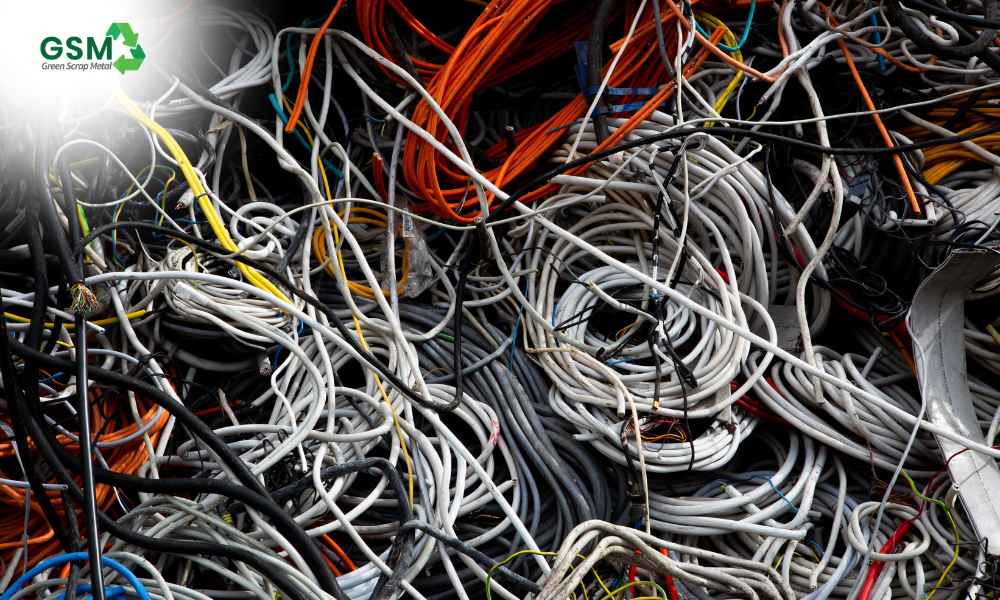
Electricians may come across several types of scrap cable during their work, including:
- Insulated copper wire
- Bare copper wire
- Aluminium cable
- Electrical cable offcuts
- Old power cables
- Communication cables
- Damaged or outdated wiring
- Mixed cable
The value varies depending on the metal content, condition, weight and type of cable.
Bare copper generally has a different value from insulated copper cable because the insulation still needs to be separated during processing. Therefore, it is important to sort different types of wire instead of putting everything into one container.
Collect Scrap Wire From Every Job
One of the easiest ways to turn scrap wire into extra income is to make collection part of the normal job process.
Instead of throwing cable offcuts into general rubbish, electricians can keep a dedicated container or heavy-duty bin in their work vehicle, workshop or storage area.
Small pieces can then be collected throughout the week. Once enough material has accumulated, the electrician can take it to a scrap metal recycler for assessment.
This approach requires very little additional effort and can turn otherwise unwanted materials into a useful return.
Separate Copper and Aluminium
Sorting your scrap wire can make the recycling process easier.
Keep copper, aluminium and other metals separated where practical. You can also separate bare copper from insulated cables and keep large quantities of similar cable together.
However, stripping insulation from every piece of wire is not always worthwhile. The time required to strip cable should be considered against the potential increase in scrap value.
A scrap metal buyer can help determine how different types of wire are classified and whether stripping is worthwhile for the material you have.
How Much Extra Income Can Electricians Make?
There is no fixed amount because scrap wire prices change and every electrician produces different quantities of material.
An electrician working on small residential jobs may only accumulate a modest amount of scrap. In comparison, electricians involved in commercial fit-outs, large renovations, industrial projects or building upgrades may generate considerably more cable.
The key is consistency. A small amount from one job may not seem significant, but regular collection over weeks and months can create a worthwhile additional return.
Keep Scrap Wire Safe
Scrap wire should be stored safely before it is sold. Keep cables organised and away from areas where they could create trip hazards or interfere with electrical equipment.
Most importantly, never burn wire to remove insulation. Burning cable can produce harmful fumes and creates unnecessary fire and environmental risks. If cable needs processing, use appropriate mechanical methods or leave the processing to a professional recycler.
Electricians should also make sure any material being removed from a customer’s property is legitimately theirs to sell and is not required for reuse, return or disposal under the project agreement.
Choose a Reliable Scrap Metal Buyer
Once you have accumulated enough scrap wire, contact a reputable scrap metal buyer or recycler. They can assess the material, determine its classification and provide a price based on current market conditions.
For electricians, building a relationship with a reliable scrap buyer can make the process easier. You know where to take your material, how it will be assessed and how to organise future collections.
Turn Waste Into Value
Scrap wire does not have to end up in the rubbish. By collecting, sorting and recycling unwanted electrical cables, electricians can recover value from materials that would otherwise be discarded.
With a simple collection system, proper sorting and regular recycling, scrap wire can become a small but useful additional income stream while also helping valuable metals stay in the recycling system.