Sell Scrap Metal for Best Price
Send us Email

Electric Motor Scrap: Is It Worth Selling?
Electric motors are everywhere, inside household appliances, industrial machines, power tools, and even old vehicles. When these motors stop working or become outdated, many people assume they are useless and toss them aside. But electric motor scrap can actually have real value. The big question is: is it worth selling electric motor scrap? The short answer is yes, but it depends on several important factors.
What Is Electric Motor Scrap?
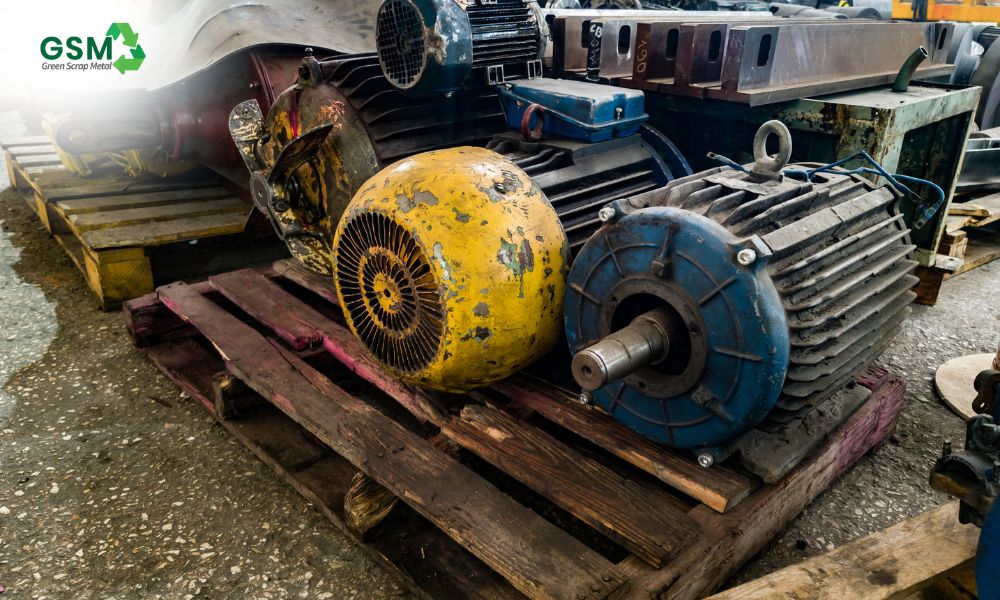
Electric motor scrap refers to motors that no longer function or are no longer needed. These motors are made from a mix of valuable materials, including copper windings, steel casings, aluminum parts, and sometimes brass. Copper is the most valuable component and is usually the main reason scrap yards buy electric motors.
Motors can come from many sources: washing machines, air conditioners, ceiling fans, pumps, compressors, factory equipment, and even old electronics. Whether small or large, most motors contain recyclable metals.
Why Scrap Yards Buy Electric Motors
Scrap metal yards don’t care if a motor works, they care about what’s inside it. Copper prices are generally high compared to other scrap metals, and electric motors often contain a good amount of copper wire. Recycling these motors allows yards to recover metals, reduce waste, and resell processed materials to manufacturers.
From an environmental perspective, recycling motors also helps reduce mining demand and keeps heavy metals out of landfills.
How Much Are Electric Motors Worth?
The value of electric motor scrap depends on several factors:
- Copper Content: Motors with higher copper scrap content are worth more. Large industrial motors usually contain much more copper than small household ones.
- Motor Size and Weight: Heavier motors generally fetch higher prices because they contain more metal overall.
- Market Prices: Scrap metal prices change based on global metal markets. Copper price fluctuations can significantly affect what you get paid.
- Condition and Type: Some yards pay more for “clean” motors (no plastic or attachments), while others accept them as-is for a lower price.
On average, scrap yards pay by the pound, and electric motors often fall into a mid-range scrap category, not as valuable as pure copper, but more valuable than mixed steel.
Should You Strip the Motor Yourself?
One common question is whether it’s worth taking motors apart to remove the copper. While stripped copper is more valuable, doing this yourself isn’t always practical.
Pros of stripping motors:
- You can sell clean copper for a higher price.
- You may earn more if you have the tools and time.
Cons:
- It’s time-consuming and physically demanding.
- Tools and safety gear are required.
- Scrap yards may not accept poorly stripped material.
For most people, selling motors whole is easier and still profitable, especially if you have multiple units.
When Is It Worth Selling Electric Motor Scrap?
Selling electric motor scrap is worth it if:
- You have several motors or large industrial units.
- You can transport them to a scrap yard cheaply.
- You’re already collecting scrap metal.
- You want to recycle responsibly instead of throwing them away.
If you only have one very small motor, the payout may be low. However, combining it with other scrap metal can make the trip worthwhile.
Environmental and Economic Benefits
Beyond money, recycling electric motors has clear environmental benefits. Metals like copper and steel can be reused repeatedly without losing quality. Recycling also reduces landfill waste and energy use compared to producing new metals from raw materials.
Economically, selling scrap motors can provide extra income for individuals, repair shops, electricians, and small businesses. For industries that regularly replace motors, scrap sales can offset maintenance costs.
Tips for Getting the Best Price
- Call local scrap yards to compare prices.
- Separate motors from other scrap if required.
- Remove non-metal parts if the yard prefers clean scrap.
- Track metal prices to sell when rates are higher.
- Bring volume, more weight usually means better returns.
Final Verdict: Is It Worth It?
Yes, electric motor scrap is usually worth selling, especially if you have more than one motor or access to larger units. While it won’t make you rich overnight, it’s a practical way to earn extra money, reduce waste, and contribute to recycling efforts. Instead of letting old motors collect dust or end up in the trash, turning them into scrap can be both financially and environmentally rewarding.
In the end, electric motor scrap isn’t junk, it’s hidden value waiting to be recycled.