Sell Scrap Metal for Best Price
Send us Email

Complete Guide to Scrap Metal Recycling in Sydney
Scrap metal recycling is an important part of waste management in Sydney. It helps recover valuable materials and reduces the amount of waste sent to landfill.
Whether you are a homeowner, builder, tradesperson, or business owner, recycling scrap metal can be worthwhile. You can also earn money by selling unwanted metals to a reputable scrap metal recycler.
Sydney recycling facilities commonly handle materials such as aluminium, copper, brass, stainless steel, steel, and iron. The City of Sydney explains that collected metals are sorted into different categories before processing.
What Is Scrap Metal Recycling?
Scrap metal recycling involves collecting, sorting, processing, and reusing unwanted metal materials.
Instead of sending old metal products to landfill, recyclers recover the useful materials. These materials can then return to manufacturing processes.
Scrap metal generally falls into two main categories. These are ferrous and non-ferrous metals.
Ferrous metals contain iron and include steel and cast iron. Non-ferrous metals include copper, aluminium, brass, and stainless steel.
Non-ferrous metals often have higher scrap values. However, prices depend on material type, quality, cleanliness, and current market conditions.
Common Types of Scrap Metal in Sydney
Sydney homes, construction sites, workshops, and businesses generate many types of scrap metal.
Common recyclable materials include:
- Copper pipes and cables
- Aluminium frames and sheets
- Steel beams and structural steel
- Old stainless steel
- Brass fittings
- Cast iron
- Old machinery
- Automotive metal parts
- Electric motors
- Metal appliances
Some recyclers also accept batteries and insulated cables. However, acceptance rules can differ between recycling facilities.
Therefore, contact your chosen scrap metal buyer before transporting unusual materials.
How Does Scrap Metal Recycling Work?
The recycling process usually begins with collection. You can deliver scrap directly to a recycling facility or arrange a collection service.
Next, the metal is weighed and inspected. Recyclers then sort materials according to their type and grade.
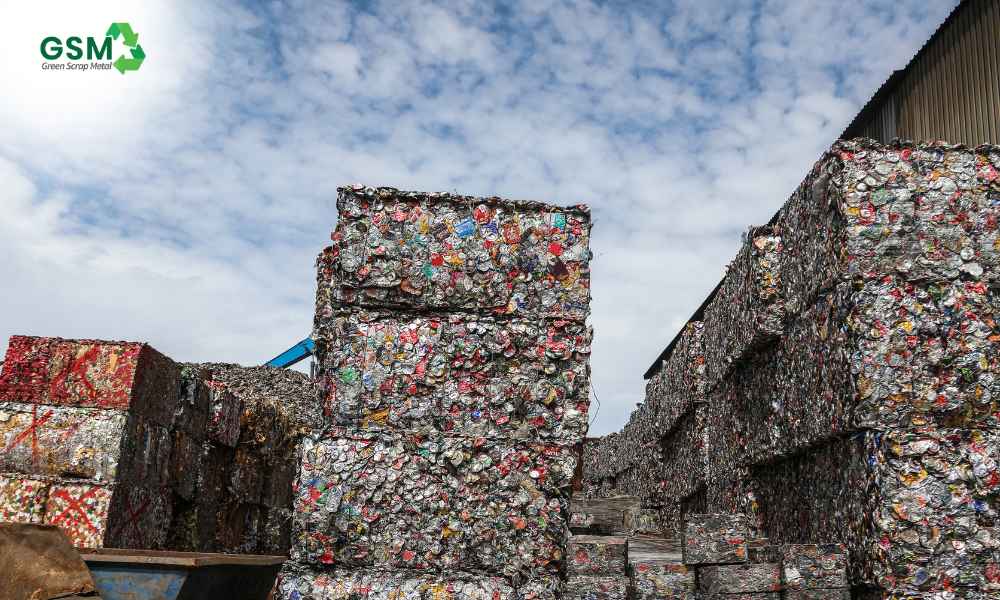
After sorting, suitable metal may be cut, sheared, baled, or shredded. Processing makes transportation and further recycling more efficient.
Finally, processed metal can be supplied to manufacturers or metal processing facilities. The material can then become part of new products.
This process helps keep valuable resources in circulation.
How to Prepare Scrap Metal for Recycling
Proper preparation can make the recycling process easier. It may also help you receive a better price for valuable materials.
First, separate different metals before selling them. Keep copper, aluminium, brass, and steel in separate groups.
Next, remove obvious contamination where practical. Plastic, rubber, excessive dirt, and other materials can affect classification.
Also, keep valuable non-ferrous metals away from general steel scrap. This prevents different grades from becoming mixed.
However, avoid unsafe dismantling methods. Some products can contain hazardous components that require specialised disposal.
How Much Is Scrap Metal Worth in Sydney?
Scrap metal prices can change regularly. Global commodity markets, demand, supply, metal grade, and processing costs can influence prices.
Copper, brass, and certain aluminium grades can attract strong prices. Steel and iron typically follow different market conditions.
Therefore, avoid relying on old price lists when selling your scrap. Instead, contact several reputable scrap metal buyers for current rates.
You should also ask how the material will be classified. Clean and separated metal may receive different rates from mixed or contaminated scrap.
Benefits of Scrap Metal Recycling
Recycling scrap metal provides environmental and financial benefits.
Firstly, it reduces the volume of waste going to landfill. Secondly, it allows manufacturers to recover existing resources.
Recycling also supports a circular economy. Materials remain useful instead of becoming unnecessary waste.
For households and businesses, selling scrap metal can also create an additional source of income.
Furthermore, organised recycling can help businesses maintain cleaner and safer work areas.
Choosing a Scrap Metal Recycler in Sydney
Choosing a reputable recycler is important when selling or disposing of scrap metal.
Look for a business with clear pricing and transparent weighing procedures. Also, check whether the recycler accepts your specific materials.
For businesses, collection services can provide additional convenience. Some Sydney recyclers offer on-site collection and bins for commercial customers.
You should also check that the business operates legally. NSW Police regulates the scrap metal industry under the Scrap Metal Industry Act 2016 and Regulation 2024.
The NSW EPA has also highlighted the importance of proper environmental controls at scrap metal facilities.
Scrap Metal Recycling for Businesses
Construction companies, manufacturers, workshops, electricians, plumbers, and demolition contractors can generate large quantities of scrap metal.
A regular recycling system can make handling this material easier. Businesses can separate scrap at the source and arrange scheduled collections.
Dedicated scrap bins can also reduce clutter around commercial premises. Moreover, regular recycling helps businesses track and recover value from waste materials.
Recycle Your Scrap Metal Responsibly
Scrap metal recycling is a practical way to reduce waste while recovering valuable materials.
Start by identifying your metals and separating different grades. Then, remove suitable contaminants and keep materials organised.
Finally, compare reputable Sydney scrap metal buyers before selling. Always confirm current prices and accepted materials before arranging delivery or collection.
With the right approach, scrap metal can become a valuable resource rather than unwanted waste.