Sell Scrap Metal for Best Price
Send us Email

When to Call a Scrap Dealer for On-Site Bin Pickup
Scrap metal can build up quickly on construction sites, renovation projects, factories, workshops and commercial properties. Once your scrap starts taking up valuable space, storing it safely and keeping the area organised can become difficult. This is where an on-site scrap bin pickup service can make the process much easier.
Instead of transporting heavy and bulky scrap yourself, a scrap metal dealer can arrange a pickup directly from your site. But when is the right time to call? Here are some common situations when booking a scrap bin pickup makes sense.
When Your Scrap Bin Is Nearly Full
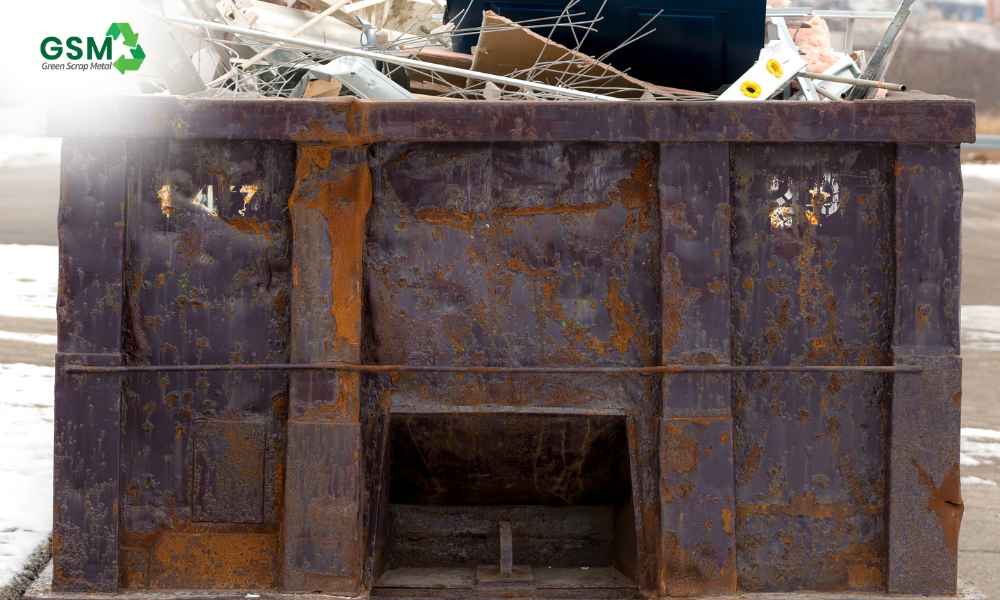
One of the clearest signs that it is time to arrange a pickup is when your scrap bin is approaching capacity. Waiting until it is completely overflowing can create unnecessary problems.
An overloaded bin can make it difficult to add more material and may leave scrap around the surrounding area. Scheduling a pickup before the bin becomes completely full helps keep your site cleaner and provides space for ongoing work.
When You Are Completing a Renovation
Renovation projects can generate a surprising amount of metal waste. Old pipes, wiring, appliances, fixtures, steel framing and other metal components may accumulate as materials are removed.
Rather than mixing these materials with general construction waste, consider separating recyclable metals and arranging an on-site pickup. This can help reduce unnecessary waste and make site cleanup more efficient.
When You Have Heavy or Bulky Scrap
Large quantities of scrap metal can be difficult to transport using a standard vehicle. Heavy steel, machinery parts, metal frames and other bulky items may require specialised handling.
If your business has accumulated more scrap than you can safely transport, contacting a scrap dealer for an on-site collection can save time and reduce the need for multiple trips.
When You Are Clearing a Commercial Property
Businesses often accumulate unwanted metal over time. Workshops, warehouses, factories, retail properties and other commercial sites may have old equipment, shelving, pipes, cables or machinery components taking up valuable space.
An organised scrap pickup allows you to clear these materials from the property without making repeated trips to a recycling facility.
Before Starting a Major Demolition or Construction Project
It is useful to plan scrap removal before a major project begins. Demolition and construction work can produce large quantities of recyclable metal in a short period.
By arranging suitable bins and pickup times in advance, you can establish a straightforward system for collecting scrap as the project progresses. This can help prevent recyclable materials from becoming mixed with general waste.
When Scrap Is Creating a Safety or Access Problem
Loose metal around a worksite can create trip hazards, sharp edges and access problems. Piles of scrap can also occupy areas needed for equipment, vehicles or workers.
If accumulated scrap is interfering with normal site operations, it may be time to organise a pickup. Removing unwanted metal regularly can help maintain a more organised working environment.
When You Have Valuable Scrap Materials
Not all scrap metal has the same value. Materials such as copper, brass, aluminium and certain grades of steel may be recyclable and potentially valuable.
If you have a large quantity of sorted metal, contacting a scrap dealer can allow the material to be assessed and collected. Keeping different metals separated can also make identification and processing easier.
Regular Pickup for Businesses
Businesses that generate scrap regularly may benefit from arranging ongoing collection rather than waiting until a bin becomes overloaded.
For example, a fabrication workshop, demolition company, construction business or mechanical workshop may produce scrap every week. A regular pickup schedule can help maintain available bin space and keep the worksite organised.
Choose the Right Time for Scrap Bin Pickup
There is no need to wait until your scrap bin is overflowing before arranging a collection. If you are running out of space, handling heavy materials, completing a renovation, clearing a property or managing a large construction project, an on-site scrap pickup can make scrap management simpler.
Planning collections around your project’s needs can reduce unnecessary transport, improve site organisation and ensure recyclable metals are directed towards the appropriate recycling process.
If your site regularly produces scrap metal, speak with a local scrap dealer about suitable bin sizes, collection schedules and the types of materials they accept. A planned approach can make scrap removal more convenient while helping you keep your site clean and productive.