Sell Scrap Metal for Best Price
Send us Email

Are Electric Motors Worth Anything for Scrap?
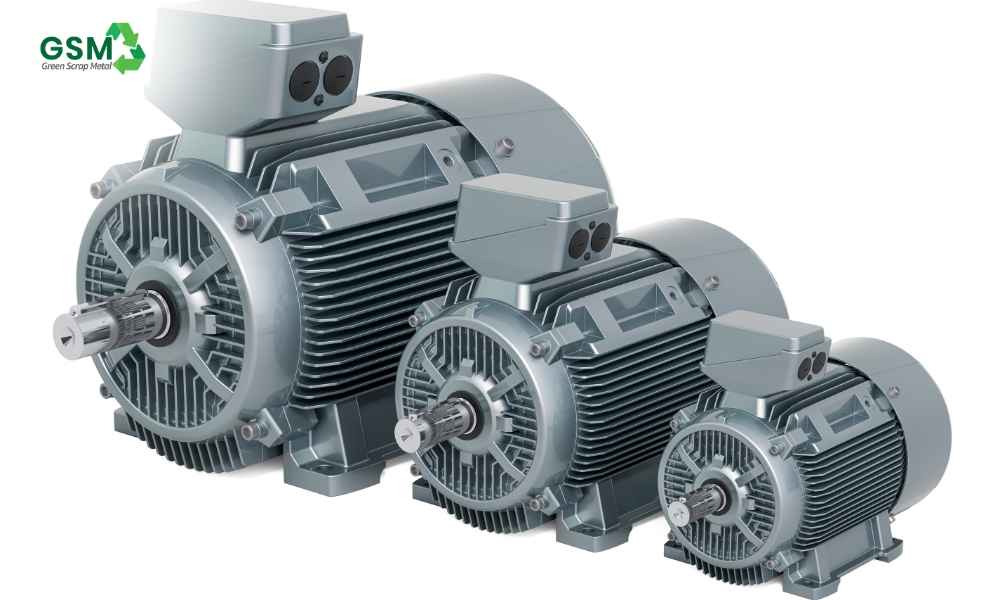
If you have old electric motors sitting in a workshop, garage, factory or equipment shed, you may be wondering whether they are worth keeping or simply throwing away. Yes, electric motors can have scrap value, and a large collection of unwanted motors can be worth taking to a scrap metal recycler.
Electric motors contain several recyclable materials, including copper, aluminium, steel and other metals. However, their value depends on the type of motor, its size, construction and the amount of recoverable metal inside.
Why Are Electric Motors Valuable as Scrap?
The main reason electric motors have scrap value is their metal content. Many motors contain copper windings, while their outer housings may be made from steel or aluminium.
Copper is particularly valuable compared with many other common scrap metals. However, you generally won’t receive the full copper price for an electric motor because the motor contains a mixture of materials and requires processing.
The more metal a motor contains, and the easier it is to classify and process, the more attractive it may be to a scrap metal buyer.
What Types of Electric Motors Can Be Scrapped?
A wide range of electric motors can potentially be recycled, including:
- Industrial electric motors
- Washing machine motors
- Air-conditioning motors
- Pump motors
- Fan motors
- Compressor motors
- Power tool motors
- Automotive electric motors
- Small appliance motors
- Commercial equipment motors
Large industrial motors can contain considerably more recoverable metal than small household motors, making them particularly useful to collect when available.
How Much Are Electric Motors Worth?
There is no single fixed price for electric motors. Scrap prices can change based on market conditions, metal prices, location, quantity and the recycler’s grading system.
The motor’s construction can also affect its value. A motor containing substantial copper may be classified differently from one with a higher proportion of aluminium or other materials.
For an accurate price, it is best to contact a scrap metal buyer and provide details about the motors you have, including their approximate size, quantity and condition.
Should You Take Motors Apart Before Selling Them?
It can be tempting to dismantle an electric motor to remove the copper windings yourself. However, this isn’t always the most practical approach.
Disassembling motors can take considerable time and effort, and the scrap buyer may already have a pricing category for complete electric motors. In some situations, the extra labour involved in stripping a motor may not be worthwhile.
Before dismantling a large quantity, ask your scrap metal recycler how they prefer motors to be supplied and whether stripped copper will receive a significantly different price.
How to Prepare Electric Motors for Recycling
If you’re collecting electric motors for scrap, keep them separate from general rubbish and other metals where possible.
You can also:
- Remove obvious non-metal attachments where practical.
- Keep motors dry and free from excessive contamination.
- Separate motors from copper wire, aluminium and steel scrap.
- Store different types of scrap separately.
- Keep larger quantities together for easier weighing and transport.
Always follow the recycler’s requirements for accepting electrical equipment.
Where Do Scrap Electric Motors Come From?
Businesses often accumulate electric motors when replacing old machinery, pumps, compressors, fans and other equipment. Electricians, mechanics, manufacturers, demolition contractors and maintenance companies may also have unwanted motors available for recycling.
Households can generate smaller quantities through discarded appliances and equipment.
Instead of allowing old motors to take up valuable storage space, recycling them can provide an opportunity to recover useful materials while reducing unnecessary waste.
Turn Old Electric Motors Into Scrap Value
Electric motors are definitely worth considering as scrap, particularly when you have multiple units or larger industrial motors. Their copper, aluminium and steel components make them useful materials for recycling.
If you have unwanted electric motors, contact a reputable scrap metal recycler to ask about current buying prices and accepted motor types. Sorting your motors properly and understanding how they are graded can help you get a clearer idea of their potential scrap value.