Sell Scrap Metal for Best Price
Send us Email

Industrial Scrap Metal Contracts: How They Work
Industrial businesses generate large amounts of scrap metal through manufacturing, construction, demolition, engineering, and maintenance activities. Instead of treating this material as waste, many companies use industrial scrap metal contracts to create a reliable recycling process and generate additional revenue.
A scrap metal contract provides a structured partnership between a business and a scrap metal recycling company. It ensures regular collection, transparent pricing, efficient waste management, and responsible recycling of valuable materials.
What Is an Industrial Scrap Metal Contract?
An industrial scrap metal contract is an agreement between a business and a scrap metal buyer or recycler. The contract outlines how scrap materials will be collected, processed, transported, and paid for.
These agreements are commonly used by:
- Manufacturing facilities
- Engineering workshops
- Construction companies
- Automotive businesses
- Warehouses
- Fabrication companies
- Mining and industrial operations
Instead of arranging occasional scrap pickups, businesses establish an ongoing relationship with a recycling provider.
How Do Industrial Scrap Metal Contracts Work?
The process usually begins with an assessment of the business’s scrap generation needs. A scrap metal recycling company evaluates the types and volumes of materials produced and creates a suitable collection plan.
The typical process includes:
1. Scrap Assessment and Site Evaluation
A professional scrap buyer will inspect the business location to understand:
- Types of scrap metals available
- Estimated monthly scrap volume
- Storage requirements
- Collection frequency
- Access for trucks and equipment
Materials may include steel, aluminium, copper scrap, brass, stainless steel, machinery parts, and industrial equipment.
This assessment helps determine the most efficient recycling solution.
2. Setting Up Collection Arrangements
Once the requirements are understood, the recycling company creates a collection schedule. Depending on the amount of scrap generated, pickups may occur:
- Weekly
- Fortnightly
- Monthly
- On-demand
For businesses producing high volumes of scrap, scheduled collections prevent storage issues and keep work areas organised.
Scrap Metal Containers and Storage Solutions
Many industrial scrap contracts include the use of dedicated storage equipment. Depending on the business requirements, recyclers may provide:
- Scrap bins
- Skip bins
- Containers
- Custom collection solutions
Having dedicated storage areas makes it easier for employees to separate materials and improves workplace safety.
Pricing and Payment Structure
Scrap metal prices fluctuate based on market conditions, metal type, and demand. Industrial contracts usually include a pricing arrangement based on factors such as:
- Current market rates
- Material quality
- Scrap volume
- Collection costs
- Processing requirements
Businesses can benefit from regular recycling income while avoiding the uncertainty of disposing of scrap through general waste services.
Benefits of Industrial Scrap Metal Contracts
1. Consistent Revenue from Scrap
Instead of allowing scrap materials to accumulate, businesses can turn unwanted metal into a valuable resource. Regular collections create a predictable way to recover money from industrial waste.
2. Improved Workplace Efficiency
Large amounts of scrap can take up valuable space and create safety concerns. Scheduled pickups help maintain cleaner, more organised workplaces.
3. Reduced Waste Management Costs
Disposing of industrial waste can be expensive. Recycling scrap metal through a dedicated contract can reduce disposal expenses while creating financial returns.
4. Better Environmental Responsibility
Recycling metal reduces the need for new raw materials and helps minimise landfill waste. Businesses can improve their sustainability efforts by choosing responsible scrap recycling solutions.
Types of Industrial Scrap Commonly Collected
Industrial scrap contracts can cover many different materials, including:
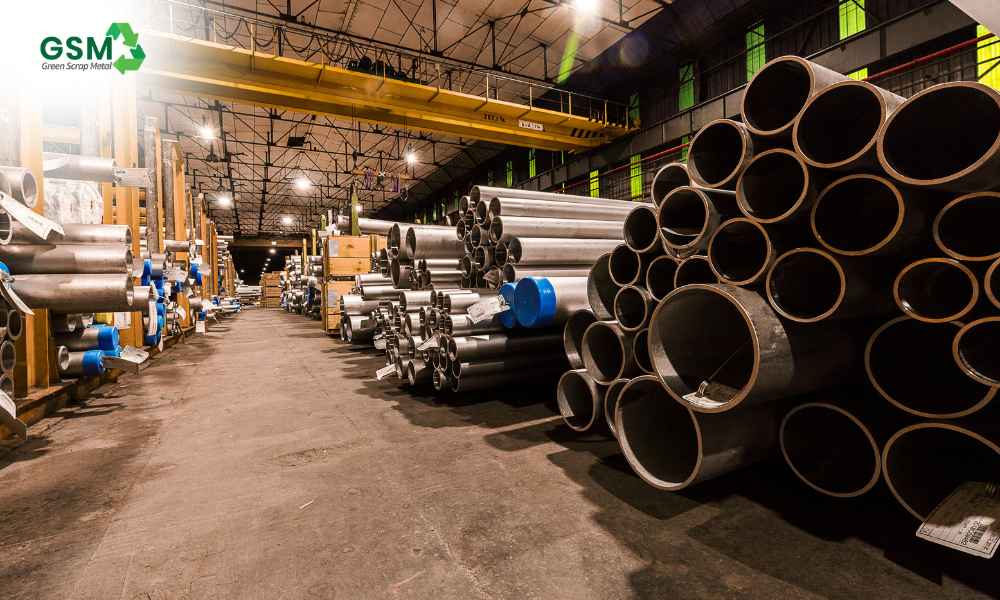
- Steel Scrap: Steel is one of the most commonly recycled industrial metals. It can come from machinery, structural materials, fabrication offcuts, and damaged equipment.
- Aluminium Scrap: Aluminium is lightweight and valuable, commonly found in manufacturing components, frames, and industrial products.
- Copper Scrap: Copper wiring, pipes, motors, and electrical components often provide higher-value recycling opportunities.
- Machinery and Equipment Scrap: Old machinery, industrial tools, and unused equipment can often be dismantled and recycled for their metal content.
Choosing the Right Scrap Metal Recycling Partner
When selecting a scrap metal provider, businesses should consider:
- Experience with industrial scrap
- Collection capabilities
- Equipment availability
- Transparent pricing
- Safety practices
- Recycling processes
A reliable recycling partner should understand the needs of industrial operations and provide a service that fits the company’s workflow.
Conclusion
Industrial scrap metal contracts provide businesses with an effective way to manage metal waste while creating additional revenue opportunities. By partnering with a professional scrap recycler in Sydney, companies can enjoy regular collections, improved workplace organisation, reduced disposal costs, and environmentally responsible recycling.
For businesses generating ongoing scrap materials, a structured scrap metal contract is a practical solution that turns waste into value.