Sell Scrap Metal for Best Price
Send us Email

What to Expect on Your First Visit to Scrap Metal Yard
Visiting a scrap metal yard for the first time can feel unfamiliar, especially if you’ve never sold metal before. You may wonder what materials are accepted, how pricing works, or what the process involves. The good news is that scrap yards are designed to make recycling simple, efficient, and rewarding for both individuals and businesses.
Whether you’re clearing out old appliances, leftover construction materials, or unused car parts, understanding what to expect can help you feel prepared and confident during your first visit.
Understanding How Scrap Metal Yards Work
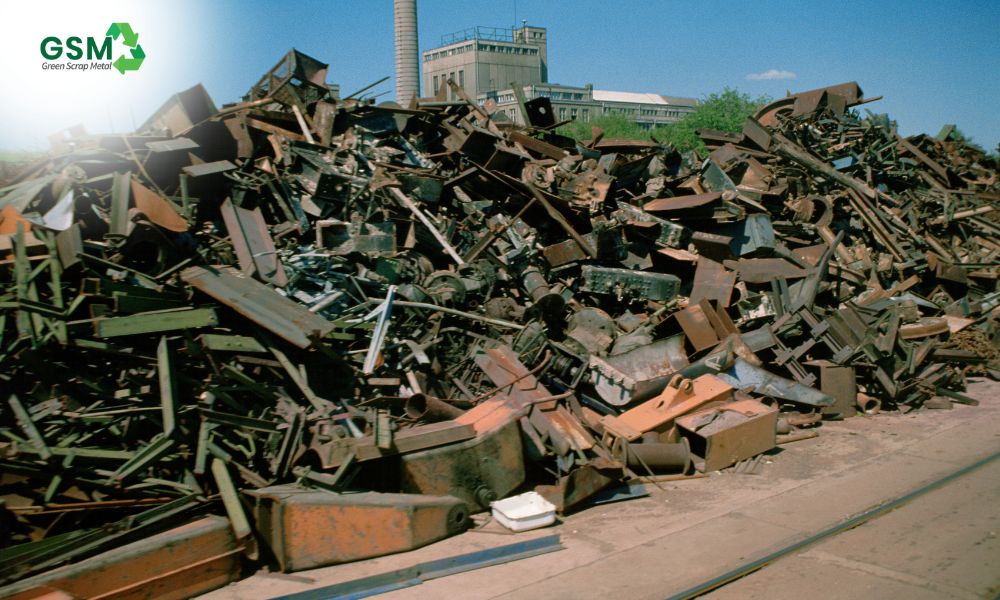
A scrap metal yard is a facility that buys recyclable metals from the public, contractors, and businesses. The metal is sorted, processed, and then sold to manufacturers who melt it down and reuse it in new products.
Most yards accept a wide range of materials, including:
- Aluminum cans and window frames
- Copper wiring and pipes
- Brass fixtures
- Stainless steel
- Iron and steel
- Car batteries
- Old appliances and machinery
Some metals are more valuable than others. Non-ferrous metals like copper, aluminum, and brass usually offer higher payouts because they do not contain iron and are in high demand.
Sorting Your Metal Before You Arrive
One of the best ways to make your visit smoother is to separate your materials before arriving at the yard. Scrap yards often pay different prices depending on the type and quality of metal.
For example, clean copper wire without insulation is typically worth more than mixed or contaminated metal. Separating aluminum from steel can also save time during weighing and improve your payout.
If possible, remove non-metal attachments such as plastic, rubber, wood, or glass. Clean, organised scrap is easier for staff to process and may result in better pricing.
Bringing Identification
Many scrap yards require customers to show identification before selling metal. This is part of industry regulations designed to reduce theft and ensure legal transactions.
Bring a valid photo ID, such as:
- Driver’s license
- Passport
- State or government-issued ID
Some facilities may also record your vehicle registration or take a photo of the materials being sold. This is standard practice and helps maintain transparency within the recycling industry.
What Happens When You Arrive
When you enter the yard, staff will usually direct you to the appropriate unloading area. Larger facilities may have separate zones for ferrous and non-ferrous metals.
The process generally includes:
- Checking in at the office
- Weighing your materials
- Sorting and inspection
- Receiving a payment quote
- Completing the transaction
Many yards use industrial scales to determine the weight of your scrap. For larger loads, your entire vehicle may be weighed before and after unloading to calculate the metal’s total weight.
Understanding Scrap Metal Pricing
Scrap metal prices change regularly based on global market demand, metal quality, and local supply conditions. Because of this, the value you receive may vary from week to week.
Factors that affect pricing include:
- Type of metal
- Weight
- Purity and cleanliness
- Current market prices
- Quantity of scrap
Copper, brass, and aluminum often bring higher prices, while steel and iron generally pay less per kilogram. Some yards post current pricing online or provide quotes over the phone before your visit.
Safety Expectations at the Yard
Scrap yards are active industrial environments with heavy equipment, moving vehicles, and large piles of metal. Safety is extremely important during your visit.
Wear practical clothing such as:
- Closed-toe shoes or boots
- Gloves
- Long pants
- Safety glasses if handling sharp materials
Follow all posted instructions and stay within designated customer areas. Staff members are there to help guide you safely through the process.
Payment Methods
Once your materials are weighed and processed, you’ll receive payment based on the agreed rate. Depending on local regulations and the yard’s policies, payment may be made by:
- Cash
- Bank transfer
- Check
- Electronic payment
Some regions have laws restricting cash payments for scrap metal transactions, so it’s helpful to ask the yard about their payment methods in advance.
Tips for a Better Experience
Your first trip to a scrap metal yard can be quick and straightforward if you prepare ahead of time. Here are a few helpful tips:
- Call ahead to confirm accepted materials
- Separate metals before loading your vehicle
- Bring valid identification
- Compare prices between local yards
- Remove hazardous or non-metal items
- Arrive during business hours with enough unloading time
Building a relationship with a reputable scrap metal yard can also be beneficial if you plan to recycle regularly.
Why Scrap Metal Recycling Matters
Recycling scrap metal does more than put extra cash in your pocket. It also plays an important role in protecting the environment. Reusing metal reduces the need for mining, conserves natural resources, and lowers energy consumption during manufacturing.
By taking unwanted metal to a scrap yard, you contribute to a more sustainable recycling system while keeping reusable materials out of landfills.
Final Thoughts
Your first visit to a scrap metal yard may seem intimidating at first, but the process is usually simple once you understand how it works. With a little preparation, you can recycle responsibly, earn money from unwanted materials, and help support environmental sustainability at the same time.
Whether you’re cleaning out your garage, renovating a property, or handling commercial scrap, knowing what to expect makes the experience easier and more rewarding.