Sell Scrap Metal for Best Price
Send us Email

What Can Be Done With Scrap Metal That Has Been Collected?
Scrap metal is a valuable resource that often goes unnoticed in many households and businesses. From old appliances to broken cars, various metal objects can be recycled or sold to scrap metal dealers for a substantial profit. Not only is scrap metal recycling a smart way to make some extra cash, but it’s also a great way to contribute to a cleaner and more sustainable environment.
In this blog, we will explore what can be done with scrap metal, why it’s important to collect it, and how selling it to a scrap metal dealer can help you get the best price for your materials.
What is Scrap Metal and Why is It Valuable?
Scrap metal refers to discarded metal objects that can be recycled and reused. These metals are categorized into two primary types: ferrous and non-ferrous metals.
- Ferrous Metals: These metals contain iron and include materials like steel and cast iron. They are magnetic and can be found in items such as old cars, appliances, and construction materials.
- Non-ferrous Metals: These metals do not contain iron and include valuable metals like aluminum, copper, brass, and lead. They are not magnetic, making them easier to separate from ferrous metals. Non-ferrous metals are often found in wiring, pipes, and certain electrical components.
The value of scrap metal is determined by its weight, type, and market demand. Non-ferrous metals, especially copper and aluminum, tend to fetch higher prices due to their desirability in manufacturing and construction industries. For instance, copper is used in electrical wiring and plumbing, while aluminum is used in everything from cans to car parts.
What Can You Do With Scrap Metal?
Once you have collected scrap metal, there are several things you can do with it, the most popular being selling it to a scrap metal dealer. Here are some of the most common uses and benefits of recycling scrap metal:
a. Sell It to Scrap Metal Dealers
One of the easiest and most straightforward ways to get rid of your scrap metal is by selling it to a local scrap metal dealer. Dealers typically pay you based on the weight and type of metal you bring in, with non-ferrous metals usually earning a higher payout. Many scrap yards also accept a variety of metals, including steel, aluminum, copper, and brass.
Scrap metal dealers play a key role in the recycling process, as they collect, sort, and sell the metal to manufacturers who can reuse it. The cycle of reusing scrap metal instead of extracting new materials from the earth conserves natural resources and reduces energy consumption.
b. Recycling for Environmental Impact
By collecting and selling scrap metal, you contribute to reducing pollution and minimizing waste. Recycling metal requires far less energy than extracting and processing raw materials. For example, recycling aluminum saves up to 95% of the energy that would be used in making new aluminum from bauxite ore. This reduces the carbon footprint and helps decrease the demand for mining and metal production.
c. Repurposing Scrap Metal for DIY Projects
If you enjoy DIY projects, scrap metal can be a great resource for creating unique art, home décor, or even furniture. Many people use scrap metal to make sculptures, garden decorations, or even small structures. It’s an affordable way to experiment with metalworking while also reducing waste. If you have the skills, tools, and patience, you can repurpose old metal objects into something functional and creative.
4. Support a Circular Economy
The concept of a circular economy revolves around reusing and recycling materials to keep them in use for as long as possible. By recycling scrap metal, you’re participating in this system, helping to reduce the need for mining and extraction. The metal you sell can be melted down and turned into new products, creating a sustainable loop of production and consumption.
Tips to Collect More Scrap Metal and Sell It for a Higher Price
If you’re looking to make more money from scrap metal, the key is to be proactive in collecting and separating your materials. Here are some useful tips to maximize your scrap metal collection and get the best price:
a. Search for Scrap Metal in Unlikely Places
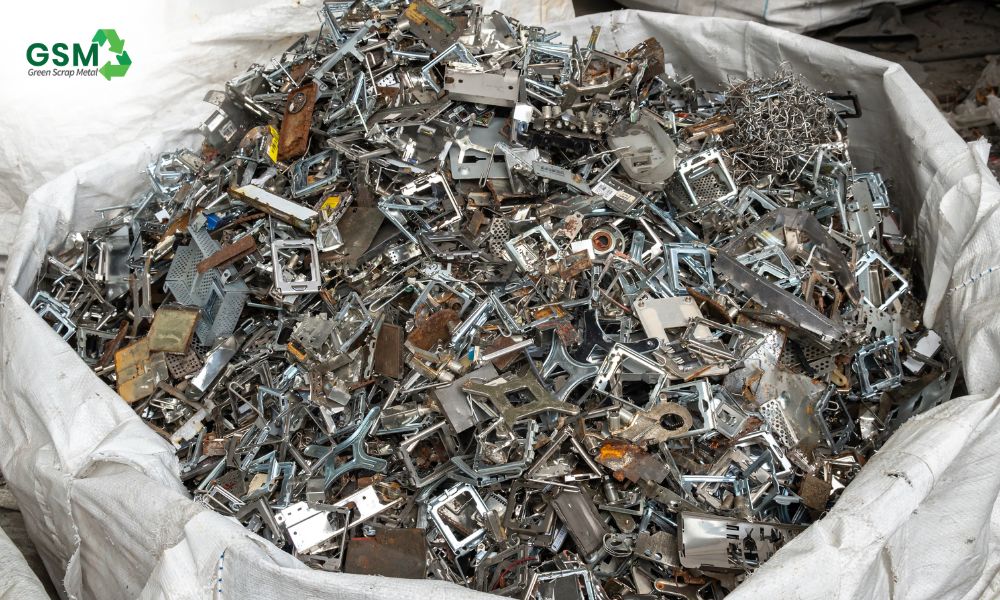
You might be surprised at the amount of scrap metal you can find in your home, garage, or workplace. Old appliances such as refrigerators, washing machines, or microwaves contain valuable metal parts that can be recycled. Check your attic or basement for old tools, furniture, or electronics. Even discarded cars and metal fences can yield high-quality materials.
Don’t forget to visit local construction sites or ask around at your school, office, or neighborhood. Builders and contractors often have leftover scrap metal that they are happy to give away or sell at a low price.
b. Sort and Clean Your Scrap Metal
Scrap yards typically pay more for clean, sorted metal than mixed or contaminated metals. Take the time to separate ferrous metals from non-ferrous metals and remove any non-metal components (like plastic, rubber, or wood). The cleaner the metal, the higher the price you’ll receive. Additionally, stripping copper wires from their insulation can significantly increase their value.
c. Know the Current Metal Prices
Metal prices fluctuate based on supply and demand. Keep an eye on current market rates for different types of scrap metal to ensure you’re getting the best deal when you sell. There are many websites and apps that track scrap metal prices in real-time, so you can time your sale to get the best price.
d. Find the Right Scrap Metal Dealer
Not all scrap metal dealers offer the same rates, so it’s worth shopping around and comparing offers. Some dealers may offer more for certain types of metal, while others may charge fees for sorting or processing your scrap. Look for reputable dealers with transparent pricing and good reviews. A reliable scrap yard will weigh your metal fairly and provide a clear breakdown of the price.
e. Transport Your Scrap Metal Efficiently
If you’re collecting large quantities of scrap metal, having a reliable way to transport it can make a big difference. Consider using a truck, trailer, or even a van to haul your materials to the dealer. Some scrap yards also offer pickup services, so check if this is an option in your area.
Conclusion
Collecting and selling scrap metal is a practical way to earn some extra cash while helping the environment. By recycling metals, you contribute to the conservation of natural resources, reduce energy use, and promote sustainability. Whether you’re cleaning out your home, working on a DIY project, or simply looking for a side hustle, scrap metal collection can be a rewarding and profitable activity.
Keep your eyes open for scrap metal in your everyday life, sort it carefully, and find a reliable scrap metal dealer to maximize your earnings. You’ll not only clean up your space but also make a positive impact on the planet. Happy scrapping!