Sell Scrap Metal for Best Price
Send us Email

Why Selling Scrap Metal Is More Profitable Than You Think
When people think of scrap metal, they often picture piles of rusted junk, discarded appliances, or leftover construction materials with little to no value. But what many don’t realise is that scrap metal can be a surprisingly lucrative resource. Whether you’re a homeowner cleaning out your garage, a contractor with excess materials, or someone looking for a side hustle, selling scrap metal offers more financial opportunity than meets the eye.
Hidden Value in Everyday Items
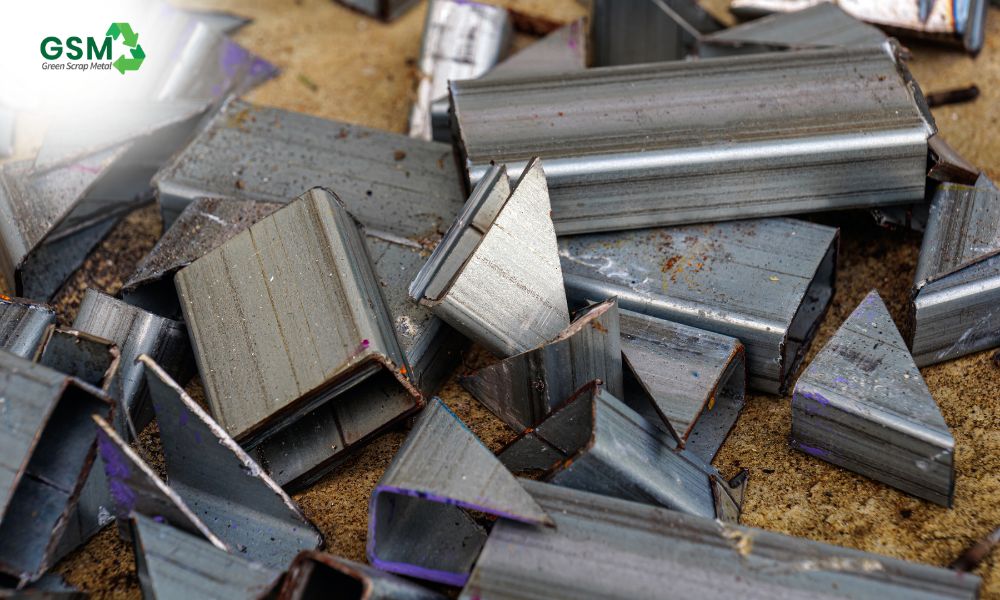
One of the biggest reasons scrap metal is so profitable is because it’s everywhere. Old electronics, broken appliances, plumbing fixtures, car parts, and even beverage cans all contain metals that can be recycled and sold. Materials like copper, aluminum, brass, and stainless steel are especially valuable due to their demand in manufacturing and construction industries.
For example, copper wiring from old electronics or renovation projects can fetch a high price per kilogram. Aluminum, found in cans and window frames, is lightweight but adds up quickly in volume. Even steel, though less valuable per unit, can generate solid returns when sold in bulk. What might look like trash is often a collection of small profits waiting to be realised.
Consistent Demand and Market Stability
Unlike many side hustles that depend on trends or seasonal demand, scrap metal recycling benefits from steady global demand. Metals are essential in infrastructure, electronics, transportation, and renewable energy projects. As industries grow and modernise, the need for recycled metal continues to rise.
Recycling metal is also significantly more energy-efficient than producing new metal from raw ore. This makes scrap metal a preferred choice for manufacturers looking to reduce costs and environmental impact. As a result, scrap yards and recycling centers are always looking to buy, ensuring a relatively stable market for sellers.
Low Barrier to Entry
Another reason scrap metal selling is so profitable is its accessibility. You don’t need specialized education or a large upfront investment to get started. Many people begin by collecting scrap from their own homes or neighborhoods. Others partner with local businesses, construction sites, or repair shops to collect leftover materials.
Basic tools like gloves, a magnet (to distinguish ferrous from non-ferrous metals), and a vehicle for transportation are often enough to get going. As you gain experience, you can scale your efforts by sourcing larger quantities or focusing on higher-value metals.
Environmental Benefits Add Incentives
Selling scrap metal isn’t just good for your wallet, it’s also good for the planet. Recycling metal reduces the need for mining, conserves natural resources, and lowers greenhouse gas emissions. Many governments and organisations support recycling initiatives, sometimes offering incentives or rebates.
This growing emphasis on sustainability has increased awareness and participation in recycling programs, which in turn strengthens the scrap metal market. By selling scrap, you’re contributing to a circular economy while earning money, a win-win situation.
Opportunities for Scaling Up
What starts as a small side hustle can evolve into a full-fledged business. Many successful scrap metal entrepreneurs begin by collecting small amounts and gradually expand their operations. With the right strategy, you can establish relationships with suppliers, invest in better equipment, and even specialise in certain types of metals.
Some sellers focus on electronic waste (e-waste), extracting valuable metals from outdated devices. Others concentrate on industrial scrap from manufacturing or demolition projects. By identifying profitable niches and building consistent supply chains, the earning potential increases significantly.
Tips to Maximise Your Profits
To make the most out of selling scrap metal, it’s important to be strategic. First, learn to identify and separate different types of metals, as this can significantly impact pricing. Clean, sorted metals typically fetch higher prices than mixed or contaminated loads.
Second, stay informed about market prices. Metal values fluctuate based on global supply and demand, so timing your sales can make a difference. Building relationships with local scrap metal yards can also help you secure better rates and reliable service.
Finally, prioritize safety. Handling scrap metal can involve sharp edges, heavy lifting, and potentially hazardous materials. Wearing protective gear and following proper procedures ensures that your venture remains both profitable and safe.
Conclusion
Scrap metal may not seem glamorous, but its earning potential is undeniable. With minimal startup costs, consistent demand, and the added benefit of helping the environment, it’s an opportunity that more people should consider. What others throw away could become your next source of income and perhaps even a thriving business.
So next time you see a pile of metal scraps, think twice before dismissing it as junk. There’s a good chance it’s worth more than you think.