Sell Scrap Metal for Best Price
Send us Email

Recycling Brass For Cash: What You Need To Know
If you’ve ever replaced old plumbing fixtures, electrical components, or decorative hardware, chances are you’ve handled brass without even realising its value. Recycling brass for cash is one of the easiest and most profitable ways to turn scrap metal into money. With the right knowledge, you can maximise your return while helping the environment.
Here’s everything you need to know before heading to the scrap yard.
What Is Brass and Why Is It Valuable?
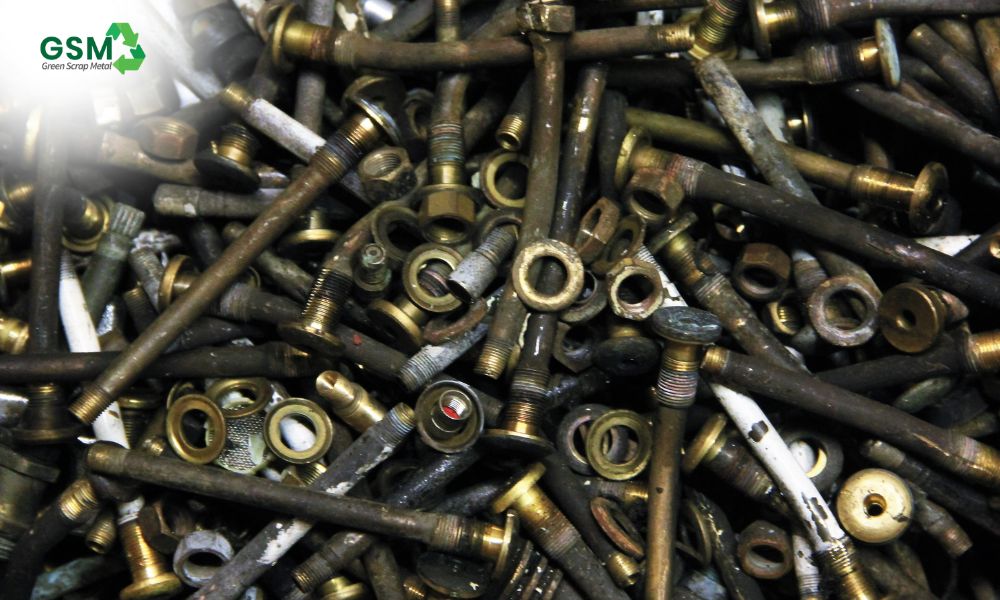
Brass is an alloy made primarily of copper and zinc. Its durability, corrosion resistance, and attractive gold-like appearance make it popular in plumbing, electrical parts, musical instruments, and home décor.
Because brass contains copper, a highly valuable metal, scrap yards are willing to pay competitive prices for it. Unlike some materials, brass can be recycled repeatedly without losing its properties, which increases its demand in manufacturing.
Common Sources of Scrap Brass
You might be surprised how often brass appears in everyday items. Some of the most common sources include:
- Plumbing fixtures (faucets, valves, pipe fittings)
- Door handles and locks
- Light fixtures and lamp parts
- Keys
- Brass bed frames
- Musical instruments
- Ammunition casings (where legally permitted)
If you’re renovating a home or cleaning out a garage, keep an eye out for these items. They can quickly add up in weight and value.
Types of Brass Scrap
Not all brass is priced the same. Scrap yards typically categorise brass based on cleanliness and composition.
- Yellow Brass: This is the most common type. It includes plumbing fixtures, hardware, and decorative items. Yellow brass usually contains around 60–70% copper.
- Red Brass: Red brass has a higher copper content (up to 85%) and is generally more valuable. It is often found in plumbing components and certain industrial parts.
- Mixed or Dirty Brass: Brass that contains attachments like plastic, rubber, or steel falls into this category. Scrap yards pay less for dirty brass because it requires extra processing.
The cleaner your brass, the more money you’ll make.
How To Prepare Brass for Recycling
Preparation can significantly impact how much cash you receive. Here are a few simple steps:
➡️Separate Brass From Other Metals: Remove screws, steel bolts, plastic handles, or rubber seals whenever possible. Scrap yards will downgrade your material if it contains non-brass attachments.
➡️Sort by Type: If you can distinguish between yellow brass and red brass, separate them. This helps ensure you get paid accurately.
➡️Clean When Possible: While you don’t need to polish brass, removing obvious debris or contaminants can improve its classification.
➡️Check for Magnetic Parts: Use a magnet to test your items. Brass is non-magnetic. If a magnet sticks, the item may contain steel components that need removal.
How Much Is Scrap Brass Worth?
Brass prices fluctuate based on the global metals market, particularly copper prices. Factors that influence value include:
- Current commodity prices
- Local scrap yard demand
- Quantity you’re selling
- Cleanliness and type of brass
Red brass typically commands a higher price than yellow brass due to its copper content. To get the best deal:
- Call multiple scrap yards for price comparisons
- Monitor market trends
- Bring larger quantities when possible
Even small collections can add up, especially if you regularly save scrap from projects.
Where To Recycle Brass
Most local scrap metal recycling centers accept brass. Larger facilities often pay more due to higher volume processing.
Before visiting:
- Check ID requirements (many regions require identification to sell scrap)
- Ask about minimum weight requirements
- Confirm they accept the specific type of brass you have
Some facilities specialise in non-ferrous metals, which include brass, copper, and aluminum.
Environmental Benefits of Recycling Brass
Recycling brass isn’t just about profit, it’s also environmentally responsible.
Mining and processing raw copper and zinc require significant energy and cause environmental disruption. Recycling brass:
- Reduces the need for mining
- Saves energy
- Lowers greenhouse gas emissions
- Keeps metal out of landfills
Because brass can be recycled indefinitely, it plays a vital role in sustainable manufacturing.
Tips for Maximising Profit
If your goal is to make the most money possible, consider these strategies:
➡️Build Relation With Scrap Yards: Regular sellers sometimes receive better rates or priority service.
➡️Watch the Copper Market: Since brass value is closely tied to copper prices, selling when copper is high can increase your payout.
➡️Store Scrap Properly: Keep brass dry and separate from corrosive materials to maintain its condition.
➡️Avoid Mixed Loads: Bringing a pile of mixed metals may result in lower pricing. Sort everything beforehand.
Is Recycling Brass Worth It?
Absolutely. While you may not get rich from a single faucet, consistent recycling can generate steady side income. Contractors, plumbers, electricians, and DIY renovators often earn significant extra cash simply by saving their scrap instead of throwing it away.
Even homeowners can benefit from collecting small amounts over time.
Final Thoughts
Recycling brass for cash is simple, environmentally friendly, and potentially profitable. By understanding the types of brass, preparing your materials properly, and monitoring market prices, you can maximise your earnings.
Next time you replace old hardware or tackle a renovation project, think twice before tossing those brass fixtures. They might be more valuable than you realise, both for your wallet and for the planet.