Sell Scrap Metal for Best Price
Send us Email

How to Sell Heavy Machinery Scrap Metal
Selling heavy machinery scrap metal can be a profitable way to recover value from outdated, damaged, or unused equipment. Whether you’re dealing with old excavators, bulldozers, loaders, cranes, or industrial components, understanding the scrap metal market and following the right process can significantly increase your returns. This guide walks you through everything you need to know to sell heavy machinery scrap metal effectively and legally.
1. Identify the Type of Scrap Metal
Heavy machinery is made up of various metals, and identifying them correctly is the first step to maximising your profit.
Common metals found in heavy equipment include:
- Steel and Iron: The primary materials in frames and structural parts
- Aluminum: Often used in panels and engine components
- Copper: Found in wiring, motors, and electrical systems
- Brass: Used in fittings and connectors
- Stainless steel: Present in certain industrial components
Ferrous metals (like iron and steel) contain iron and are usually less valuable than non-ferrous metals (like copper scrap and aluminum scrap), which command higher prices. Separating these materials before selling can increase your payout.
2. Research Current Scrap Metal Prices
Scrap metal prices fluctuate based on global demand, supply, and market conditions. Prices are influenced by construction activity, manufacturing output, and international trade.
You can check:
- Local scrap yard websites
- Online commodity price trackers
- Regional recycling centers
Before transporting heavy machinery scrap, call multiple buyers to compare pricing. Rates may differ significantly between facilities, especially for large volumes.
3. Choose the Right Buyer
Not all scrap metal buyers handle heavy machinery. Look for:
- Industrial scrap yards
- Metal recycling facilities
- Specialised heavy equipment dismantlers
If you’re in a major city like Sydney, Newcastel, you’ll likely find multiple large-scale recyclers that can handle bulk equipment. In rural areas, you may need to coordinate transportation to a larger facility.
When selecting a buyer, consider:
- Reputation and reviews
- Licensing and certifications
- Weighing transparency
- Pickup services for large equipment
Some scrap yards offer on-site pickup, which is especially useful for oversized machinery.
4. Prepare the Machinery for Scrap
Proper preparation can significantly increase your return.
👉 Remove non-metal components: Take out rubber, plastic, glass, and hazardous materials where possible. Scrap yards pay by metal weight, so removing non-metal materials improves your yield.
👉 Drain fluids: Before selling, remove oil, fuel, coolant, and hydraulic fluids. Many scrap yards require this for environmental compliance.
👉 Dismantle strategically: If feasible, dismantle the equipment into separate components. Motors, copper wiring, and aluminum parts can be sold separately for higher prices than mixed scrap.
For example, electric motors may contain valuable copper windings that increase your overall payout when processed correctly.
5. Understand Legal and Documentation Requirements
Selling scrap metal often requires proper identification and documentation to prevent theft-related transactions.
Be prepared to provide:
- Government-issued ID
- Proof of ownership
- Equipment title or bill of sale (if applicable)
Regulations vary by state and country, so check local laws before proceeding. Some areas have waiting periods for payment or require electronic payment instead of cash.
6. Calculate Transportation Costs
Heavy machinery is bulky and expensive to move. Transportation costs can significantly impact your net profit.
Consider:
- Towing fees
- Flatbed trucking services
- Equipment disassembly costs
- On-site cutting services
In some cases, scrap buyers offer free pickup if the volume is large enough. Always factor in fuel and labor costs when estimating profit.
7. Negotiate for Bulk Sales
If you’re scrapping multiple machines such as old excavators or outdated models from brands like Caterpillar Inc. or Komatsu, you may qualify for bulk pricing.
Large loads often give you leverage to negotiate:
- Higher per-ton rates
- Free transportation
- Faster payment terms
Scrap yards prefer consistent, high-volume suppliers, so building long-term relationships can result in better deals.
8. Consider Alternative Selling Options
Before scrapping, evaluate whether the machinery has resale or part-out value.
Options include:
- Selling functional parts online
- Auctioning equipment through industrial platforms
- Contacting refurbishers or repair shops
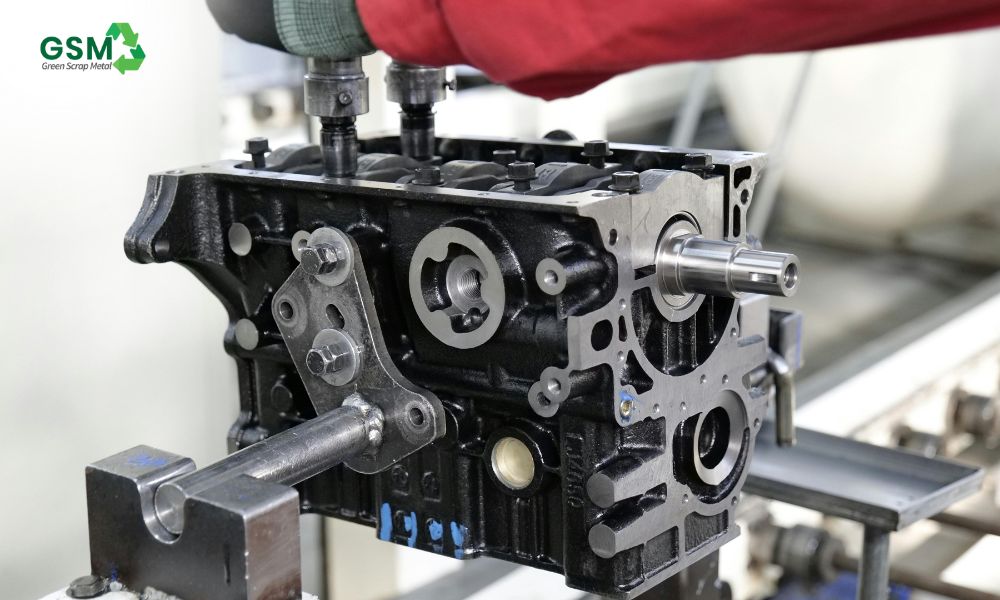
If the machine still has working engines, transmissions, or hydraulic systems, you may earn significantly more by selling parts individually rather than scrapping the entire unit.
9. Time the Market
While you can’t always control timing, selling during high-demand periods can increase profits. Scrap metal prices tend to rise during:
- Construction booms
- Infrastructure projects
- Manufacturing growth cycles
Monitoring commodity trends helps you determine the best time to sell.
10. Prioritise Safety and Environmental Responsibility
Dismantling heavy machinery involves risks. Use proper safety gear, including gloves, steel-toed boots, and eye protection. For large equipment, consider professional dismantling services.
Also, ensure fluids and hazardous materials are disposed of properly. Many recycling facilities follow environmental standards to prevent contamination, and you should too.
Final Thoughts
Selling heavy machinery scrap metal can be a smart financial move when done strategically. By identifying valuable metals, separating components, researching prices, and choosing the right buyer, you can maximise your returns while staying compliant with local regulations.
Whether you’re clearing out old construction equipment, upgrading your fleet, or liquidating industrial assets, the key is preparation and market awareness. With the right approach, even outdated machinery can turn into a valuable source of revenue rather than sitting idle and depreciating.