Sell Scrap Metal for Best Price
Send us Email

Copper Scrap in Sydney: Types, Identification & Selling Tips
Copper is one of the most sought-after metals in the scrap industry, and for good reason. Its high conductivity, malleability, and resistance to corrosion make it essential for electrical, plumbing, and industrial applications. If you’re sitting on a pile of copper scrap in Sydney, whether from a home renovation, construction project, or simply cleaning out an old workshop, it pays—literally—to know what type of copper you have before selling it to a scrap dealer.
Not all copper is valued equally. Different types of copper scrap fetch different prices depending on their purity, condition, and ease of recycling. In this guide, we’ll break down the main categories of copper scrap found in Sydney and across Australia so you can accurately identify and sort your materials for maximum return.
1. Bare Bright Copper (Millberry)
Bare Bright is the highest grade of copper scrap you can sell, and it commands the best price in the market. It refers to pure, uncoated, and unalloyed copper wire that is clean and free of tarnish or impurities.
What it looks like:
Shiny, reddish-orange wire that is stripped of all insulation. Typically found in electrical wiring, especially thick gauge wires.
Where you’ll find it:
- Electrical installations
- Demolition sites
- Old transformers and power supplies
- Renovated homes with stripped wiring
Important tip:
Ensure there is absolutely no insulation, solder, or coating on the wire. Even a trace can downgrade its classification.
2. #1 Copper (Grade 1 Copper)
This grade includes clean copper pipes or wires that are uncoated, unalloyed, and free from solder or paint. It may not be as shiny as Bare Bright, but it still holds significant value.
What it looks like:
Solid copper pieces that may have a slightly dull finish but no corrosion or coatings.
Where you’ll find it:
- Plumbing pipes
- Bus bars
- Clean copper clippings
- Welding cables
Important tip:
Cleanliness is key. Avoid mixing it with copper that has fittings or paint, which would move it to a lower category.
3. #2 Copper (Grade 2 Copper)
This category includes copper with impurities or corrosion. It may have paint, solder, coatings, or tarnish, but it still contains a high percentage of copper.
What it looks like:
Dull copper pipes or wires with visible signs of wear, solder, or paint.
Where you’ll find it:
- Older plumbing and HVAC systems
- Copper roofing materials
- Used heat exchangers
Important tip:
Sort this separately from #1 copper, as the price difference can be significant. Removing paint or fittings can sometimes upgrade its value.
4. #3 Copper (Light Copper)
Also known as “light copper,” this grade includes thin copper sheets or lightly painted items with relatively low copper content.
What it looks like:
Thin sheets or strips of copper, often found in artistic or decorative applications, with surface paint or patina.
Where you’ll find it:
- Flashings
- Guttering
- Decorative items
- Roof sheeting
Important tip:
This is usually the least valuable copper grade, so weigh the cost of cleaning it versus selling it as-is.
5. Insulated Copper Wire (ICW)
Insulated Copper Wire refers to copper wiring that still has its plastic or rubber insulation intact. It’s common in households and businesses, and its value depends largely on the copper content and thickness of the wire.
Types of ICW:
- High-grade: Thick copper content (like power cables)
- Mid-grade: Common household wiring
- Low-grade: Thin copper wiring from electronics (low recovery rate)
Where you’ll find it:
- Extension cords
- Household and office wiring
- Computer cables
- Appliance wiring
Important tip:
Thicker wire = more copper = better price. You can strip it yourself if it’s economical to do so, but be aware of local environmental regulations in Sydney regarding wire stripping and burning.
6. Copper Radiators
These come from vehicles, HVAC units, and industrial machinery. While radiators can be made from aluminium or copper, copper radiators are more valuable but must be free of steel ends, tanks, and other contaminants.
What it looks like:
Heavy, finned units with copper tubing running through them. They may have attached steel or plastic components.
Where you’ll find it:
- Car and truck radiators
- Commercial HVAC systems
- Old refrigeration units
Important tip:
Make sure to separate any non-copper attachments before selling to avoid price downgrades.
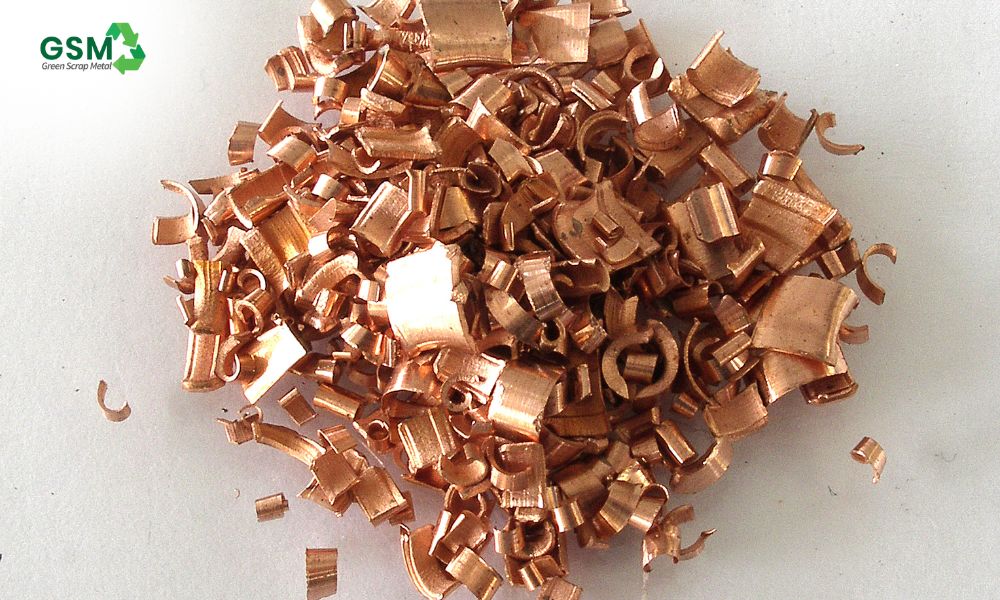
7. Copper Turnings and Shavings
This type refers to small bits of copper left over from machining or manufacturing processes. It’s usually considered low-grade due to the high surface area and potential contamination with oils and other metals.
What it looks like:
Small spirals or flakes, often oily or dusty.
Where you’ll find it:
- Machine shops
- Metal fabrication plants
- CNC or lathe operations
Important tip:
Keep this material dry and clean if possible. Wet or dirty turnings may be rejected or heavily discounted.
Why It Matters in Sydney
Sydney has a robust and competitive scrap metal industry, but prices can vary widely depending on the scrap metal dealer in Sydney and how well you’ve sorted your copper. With strict environmental standards in place, especially around e-waste and metal disposal, knowing the type of copper scrap you have helps avoid penalties and maximises your payout.
Local scrapyards, especially in areas like Bankstown, Blacktown, and the Inner West, appreciate clean, well-sorted copper. If you walk in with mixed copper types, expect to be offered a lower blended rate. But if you can present your materials properly—bare bright in one bin, insulated wire in another—you’ll almost always get a better deal.
Final Thoughts
Before you haul your copper scrap to a Sydney recycler, take the time to identify what you have. Separate, clean, and categorise your copper to take advantage of premium copper scrap prices in Sydney. Whether you’re a contractor with leftover wiring, a homeowner with old plumbing, or a business owner clearing out obsolete equipment, understanding the types of copper scrap is the first step toward turning waste into real money.
In a city like Sydney, where sustainability and economic opportunity go hand in hand, smart recycling not only puts cash in your pocket but also helps reduce environmental impact. Know your copper—because knowledge pays.