Sell Scrap Metal for Best Price
Send us Email

Is It Better to Separate Scrap Metal Before Selling?
If you’re planning to sell scrap metal, you may wonder whether it’s worth taking the time to separate different metals before visiting a scrap yard. While selling mixed scrap is certainly possible, sorting your metals beforehand can often result in significantly higher returns.
Whether you’re a homeowner, tradesperson, builder, or industrial business, understanding the benefits of separating scrap metal can help you earn more while making the recycling process faster and more efficient.
Why Metal Separation Matters
Different metals have different recycling values. Copper, aluminium, brass, stainless steel, and steel all have unique market prices.
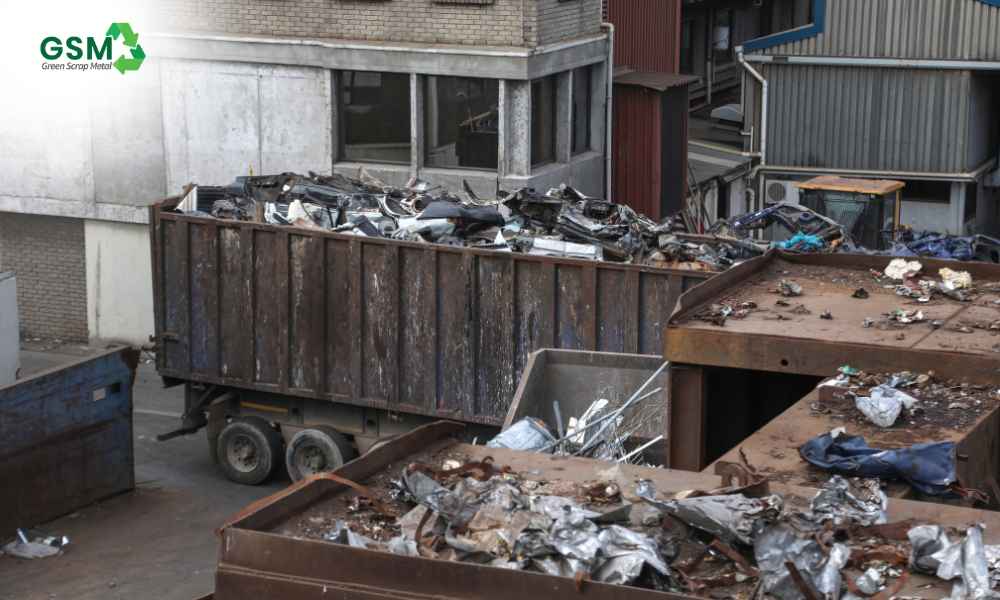
When different metals are mixed together, recyclers often have to classify the load as mixed scrap. Since they need to spend additional time sorting the materials themselves, they may offer a lower overall price.
By separating metals yourself, you make processing easier and often qualify for higher rates.
Benefits of Separating Scrap Metal
a. Higher Payouts
The biggest advantage is financial.
Premium metals such as copper and brass are worth considerably more than steel. If these valuable materials are mixed into a general scrap pile, you may not receive their full value.
Separating metals allows recyclers to pay according to each metal’s market rate.
b. Faster Processing
Pre-sorted loads can be unloaded, weighed, and processed much more quickly.
This reduces waiting times and makes the transaction smoother for both the customer and the recycler.
c. Easier Identification
When metals are sorted into separate piles, recyclers can accurately identify each material without spending extra time inspecting every item.
This improves pricing accuracy.
Which Metals Should Be Separated?
The most valuable metals should always be kept separate where possible.
a. Copper
Copper is one of the highest-value scrap metals.
Examples include:
- Electrical wiring
- Copper pipes
- Plumbing fittings
- Roofing materials
b. Brass
Brass is commonly found in:
- Taps
- Valves
- Plumbing fixtures
- Door hardware
Brass generally commands a good market price.
c. Aluminium
Separate aluminium items such as:
- Window frames
- Drink cans
- Car parts
- Outdoor furniture
Because aluminium is lightweight, collecting larger quantities improves returns.
d. Stainless Steel
Common sources include:
- Commercial kitchens
- Food processing equipment
- Medical equipment
- Industrial machinery
e. Steel
Steel is the most common scrap metal.
Examples include:
- Structural beams
- Car bodies
- Roofing
- Machinery
- Fencing
Although steel has a lower value per kilogram, larger quantities can still generate worthwhile returns.
Remove Non-Metal Materials
Cleaning your scrap before selling can also improve its value.
Remove:
- Plastic
- Rubber
- Timber
- Concrete
- Fabric
- Glass
The cleaner your scrap, the easier it is for recyclers to process.
When Separation May Not Be Practical
There are situations where separating metal may not be worthwhile.
For example:
- Small household loads
- Mixed demolition waste
- Large industrial clean-ups with tight deadlines
In these cases, the time required to sort materials may outweigh the additional income.
Fortunately, many professional recyclers accept mixed loads and separate them during processing.
Businesses That Benefit Most
Businesses generating regular scrap often gain the greatest financial benefit from separating materials.
Examples include:
- Electricians
- Builders
- Plumbers
- Fabricators
- Manufacturing companies
- Automotive workshops
- Demolition contractors
By implementing simple sorting systems on-site, businesses can improve recycling efficiency while increasing revenue.
Simple Tips for Sorting Scrap
To make separation easier:
- Use labelled bins for different metals.
- Store copper separately from steel.
- Keep aluminium away from mixed scrap.
- Remove insulation from wiring where practical.
- Avoid contaminating metals with rubbish.
A little organisation can result in noticeably higher payments.
Environmental Benefits
Separating scrap metal isn’t just good for your wallet—it also benefits the environment.
Properly sorted metals require less energy to recycle because recyclers spend less time processing contaminated loads.
This leads to:
- Lower greenhouse gas emissions
- Reduced landfill waste
- Conservation of natural resources
- Increased recycling efficiency
Work with an Experienced Scrap Metal Recycler
Professional scrap metal recyclers can also provide advice on:
- Identifying different metals
- Current scrap metal prices
- Collection services
- Bulk commercial recycling
- Industrial scrap management
If you’re unsure about a particular material, many recyclers are happy to assess it for you.
Final Thoughts
Separating scrap metal before selling is generally well worth the effort. By sorting valuable metals such as copper, brass, aluminium, stainless steel, and steel into separate categories, you can often receive higher prices while making the recycling process more efficient. Even simple steps like removing plastic or keeping metals organised can make a noticeable difference to your final payment. Whether you’re recycling a small household load or managing ongoing commercial scrap, proper separation helps maximise both financial returns and environmental benefits.