Sell Scrap Metal for Best Price
Send us Email

Do I Need Paperwork to Sell a Catalytic Converter?
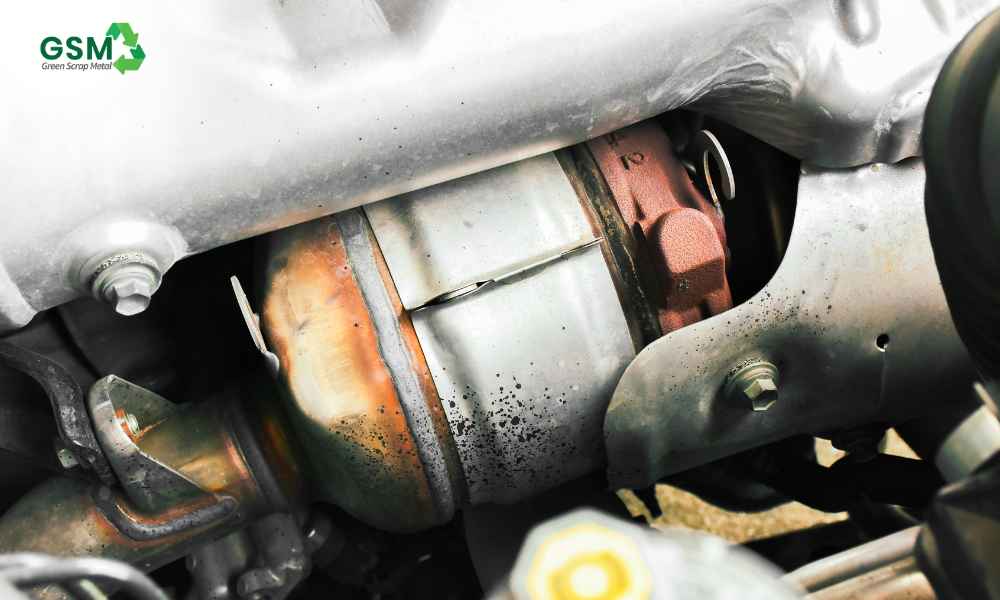
Catalytic converters are among the most valuable automotive components that can be recycled due to the precious metals they contain, including platinum, palladium, and rhodium. Because these metals have significant value, catalytic converters have unfortunately become a target for theft. As a result, many scrap metal buyers and recyclers have introduced strict documentation requirements to ensure that catalytic converters being sold are obtained legally.
If you’re wondering whether you need paperwork to sell a catalytic converter in Australia, the answer is often yes. While the exact requirements vary between states, territories, and individual scrap metal dealers, having the appropriate documentation will make the selling process smoother and help protect both buyers and sellers.
Why Is Paperwork Required?
Over recent years, Australia has seen a rise in catalytic converter thefts. Criminals often steal converters from parked vehicles because they can be removed quickly and contain valuable precious metals.
To combat this issue, many scrap metal businesses have implemented strict purchasing procedures. These measures help verify ownership, discourage theft, and ensure compliance with state regulations.
Reputable scrap yards are committed to buying only legally obtained catalytic converters and may refuse to purchase converters if the seller cannot provide sufficient proof of ownership.
What Documents May Be Required?
The paperwork required depends on the buyer and your location, but common documents include:
a. Proof of Identity
Most scrap metal recyclers will ask for a valid photo ID before purchasing a catalytic converter.
Accepted identification may include:
- Australian driver’s licence
- Passport
- Proof of age card
Recording seller identification helps create a transparent transaction history.
b. Proof of Ownership
Many buyers will also ask for evidence that you legally own the catalytic converter.
Examples include:
- Vehicle registration documents
- Vehicle disposal paperwork
- Repair invoices
- Mechanic receipts
- Insurance documentation
- Vehicle dismantling records
If the converter has been removed from your own vehicle, proof of ownership can help demonstrate its legitimate source.
c. Business Documentation
If you’re an automotive workshop, mechanic, wrecking yard, or recycling business selling catalytic converters regularly, buyers may request additional business information such as:
- Australian Business Number (ABN)
- Company details
- Business invoices
- Commercial trading records
Businesses that generate catalytic converters as part of their operations generally experience a smoother selling process because they can clearly demonstrate the origin of the materials.
Do Requirements Differ Between States?
Yes. Scrap metal regulations vary across Australia.
Some states have introduced stricter identification and record-keeping requirements than others. In addition, individual scrap yards often have their own purchasing policies that exceed minimum legal requirements.
Before visiting a recycler, it’s a good idea to contact them and ask what documentation they require. This can save time and avoid unnecessary trips.
Can You Sell a Catalytic Converter Without Paperwork?
Some buyers may accept catalytic converters with limited documentation, while others will refuse the transaction altogether.
Reputable recyclers are generally cautious when purchasing catalytic converters because they must comply with legal obligations and protect their business from handling stolen property.
If you cannot demonstrate ownership, the buyer may decline to purchase the converter.
Why Scrap Buyers Record Transactions
When purchasing catalytic converters, many recyclers record information such as:
- Seller’s name
- Identification details
- Date of sale
- Vehicle information (where applicable)
- Description of the catalytic converter
- Payment details
These records create accountability and assist authorities if stolen property investigations arise.
What Affects the Value of a Catalytic Converter?
Even with the correct paperwork, the price offered will depend on several factors.
a. Precious Metal Content
Catalytic converters contain varying amounts of:
- Platinum
- Palladium
- Rhodium
Converters with higher concentrations of these metals are generally worth more.
b. Vehicle Make and Model
Some vehicles use larger or more valuable catalytic converters than others.
Luxury vehicles, commercial vehicles, and certain imported models often contain converters with higher precious metal content, increasing their recycling value.
c. Condition
Buyers prefer complete catalytic converters that have not been excessively damaged or tampered with.
While damaged converters can still have value, severe physical damage may affect the recycling process and reduce the offer.
d. Current Precious Metal Prices
Catalytic converter prices fluctuate based on international markets.
Since platinum, palladium, and rhodium prices change regularly, the amount you receive today may differ from prices offered a few weeks later.
Tips for Selling Your Catalytic Converter
If you want the best possible experience, follow these simple tips:
a. Gather Your Documents
Bring:
- Photo identification
- Proof of ownership
- Any relevant receipts or repair invoices
Having these documents ready helps speed up the transaction.
b. Choose a Licensed Scrap Metal Buyer
Always sell to a reputable, licensed recycler that follows Australian regulations and provides transparent pricing.
c. Don’t Remove Identification Marks
Avoid cutting or removing serial numbers or identification markings from the catalytic converter. Buyers often use these numbers to identify the part and verify its authenticity.
d. Get Multiple Quotes
Catalytic converter values can vary between recyclers. Comparing quotes from several buyers can help you secure a competitive price.
Final Thoughts
Selling a catalytic converter in Australia is generally straightforward, provided you can demonstrate that you legally own it. While paperwork requirements vary between states and individual scrap metal buyers, most reputable recyclers will request photo identification and some form of proof of ownership before completing the transaction.
These documentation requirements are designed to reduce theft, support responsible recycling practices, and protect both buyers and sellers. Before visiting a scrap yard, it’s always worth contacting them to confirm their documentation requirements and current purchasing policies.
By preparing your paperwork in advance and working with a trusted scrap metal recycler, you can enjoy a hassle-free selling experience while receiving a fair price for your catalytic converter.