Sell Scrap Metal for Best Price
Send us Email

What Happens at a Sydney Scrap Metal Yard?
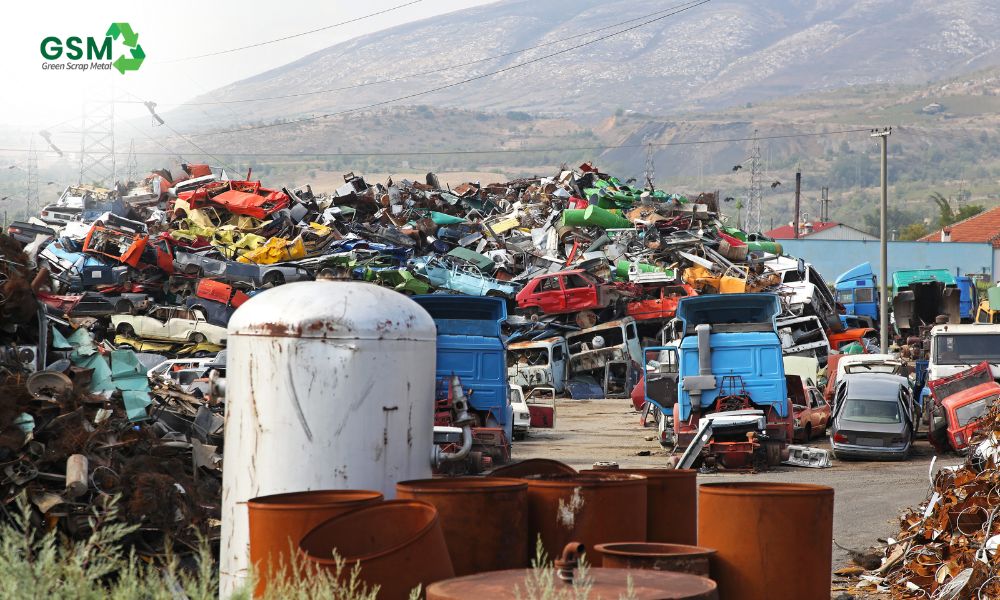
If you’ve ever driven past a scrap metal yard in Sydney and wondered what actually goes on inside, you’re not alone. From the outside, these places can look like chaotic piles of discarded metal. But step inside, and you’ll find a highly organised, fast-moving operation that plays a crucial role in recycling and sustainability.
Weighing and Inspection
When you arrive at a Sydney scrap metal yard, the process usually begins at a weighbridge. Whether you’re a tradie with leftover copper wiring or a homeowner cleaning out an old shed, your vehicle is weighed before unloading. This initial weight helps determine how much scrap you’re bringing in.
After that, staff will inspect your materials. Not all metals are equal, items like copper, aluminium, brass, and stainless steel are typically more valuable than mixed or ferrous metals like steel and iron. The condition, cleanliness, and type of metal all influence the price you’ll be paid.
Sorting the Scrap
Once your load is approved, it’s time to sort. Some yards require customers to separate metals themselves, while others have staff or machinery to assist. Sorting is a critical part of the process because different metals are processed and recycled in different ways.
For example:
- Non-ferrous metals (like copper scrap and aluminium scrap) are separated due to their higher value and recyclability.
- Ferrous metals (containing iron) are often grouped together and handled in bulk.
Magnets, sensors, and even manual labor are used to ensure accurate separation. This step maximises the value of the scrap and ensures efficient recycling later on.
Processing and Preparation
After sorting, the scrap metal is prepared for transport and recycling. This can involve several methods:
- Shredding: Large items like old appliances or car parts are broken down into smaller pieces.
- Shearing: Industrial cutters slice through thick metal to make it manageable.
- Baling: Lighter metals like aluminium cans are compressed into dense cubes for easier handling.
Modern scrap yards in Sydney often use advanced machinery to speed up this process and improve safety. What might look like a pile of junk is actually being systematically transformed into uniform, recyclable material.
Pricing and Payment
Once your scrap is sorted and weighed, you’ll receive payment. Prices fluctuate based on global metal markets, demand, and the type of metal you’re selling. Copper, for instance, usually commands a high price, while steel is more modest.
Most Sydney scrap yards offer instant payment, often via bank transfer or electronic methods rather than cash. You may also need to provide identification, as regulations in Australia aim to prevent stolen metal from entering the recycling stream.
Where Does the Metal Go?
After processing, the scrap doesn’t just sit there. It’s sold to recycling facilities where it’s melted down and repurposed into new products. This could mean your old bicycle frame becomes part of a new building, or your discarded wiring is reused in future electrical systems.
This recycling loop is a major environmental benefit. Recycling metal uses significantly less energy than producing new metal from raw ore, and it reduces landfill waste.
Safety and Environmental Practices
Scrap yards are not just about metal, they’re also about safety and environmental responsibility. Workers wear protective gear, and strict procedures are in place to handle hazardous materials. Items like batteries, fuel tanks, or electronics are carefully managed to avoid contamination or accidents.
Many Sydney yards also follow environmental regulations to control noise, dust, and runoff. This ensures that operations don’t negatively impact surrounding communities.
Who Uses Scrap Yards?
Scrap metal yards serve a wide range of people:
- Tradespeople with leftover materials
- Construction companies disposing of large volumes of metal
- Car owners scrapping old vehicles
- Everyday residents decluttering their homes
Some people even make a side income by collecting and selling scrap metal, turning waste into cash.
More Than Just “Junkyards”
What might seem like a messy collection of metal is actually part of a sophisticated recycling network. Sydney scrap metal yards help conserve resources, reduce environmental impact, and keep valuable materials in circulation.
So next time you pass one, you’ll know there’s a lot more happening behind those gates than meets the eye.