Sell Scrap Metal for Best Price
Send us Email

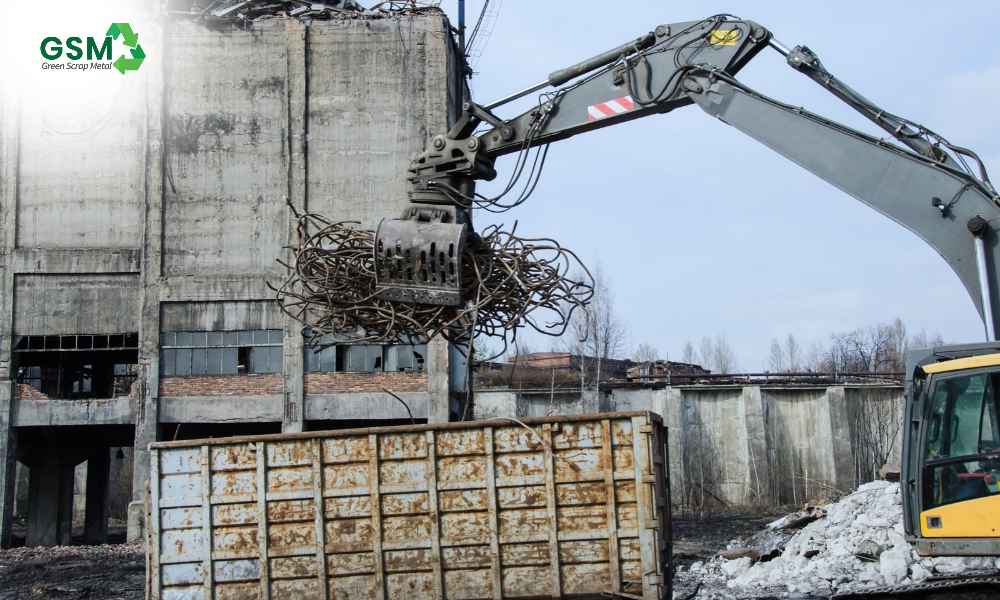
Scrap Metal Removal for Commercial Sites in Sydney
Commercial sites often accumulate scrap metal during construction, renovation, maintenance and daily business operations. Unwanted metal can take up valuable space, create workplace hazards and interfere with normal activities. Professional scrap metal removal helps businesses keep their premises organised while ensuring recyclable materials are handled responsibly.
Whether you manage a warehouse, retail property, factory, office building or construction site, arranging regular scrap metal collection can make waste management easier and more efficient.
What Is Commercial Scrap Metal Removal?
Commercial scrap metal removal involves collecting unwanted metal materials from business premises and transporting them for recycling or appropriate processing. Unlike ordinary rubbish collection, these services focus on recovering recyclable metals from commercial and industrial waste.
Businesses may require one-off collections after a renovation or ongoing services to manage scrap generated through regular operations.
Depending on the provider, collection services may accommodate loose metal, bulky items, equipment components and larger quantities of recyclable materials.
What Types of Scrap Metal Can Be Removed?
Commercial properties generate different types of scrap metal depending on their activities. Common recyclable materials include:
Steel and iron: Construction sites, warehouses and commercial workshops may accumulate steel beams, metal frames, pipes, brackets and iron components.
Aluminium: Unwanted aluminium doors, window frames, shelving, panels and building materials may be suitable for recycling.
Copper: Electrical cables, copper pipes and certain plumbing components can contain valuable recyclable copper scrap.
Brass: Commercial plumbing systems, fittings, valves and connectors may produce brass scrap during maintenance and upgrades.
Stainless steel: Restaurants, commercial kitchens, factories and food-processing facilities may have discarded stainless steel benches, sinks and equipment.
Not every item can be accepted through standard scrap collection. Materials containing hazardous substances, excessive contamination or mixed components may require specialised handling.
Benefits of Scrap Metal Removal for Commercial Sites
1. Keep Commercial Premises Organised
Unwanted metal can quickly accumulate in storage areas, loading zones, workshops and car parks. Removing scrap regularly helps businesses maintain clear spaces and use their premises more effectively.
A clean and organised site also makes it easier for employees, contractors and delivery vehicles to move around.
2. Improve Workplace Safety
Discarded metal sheets, sharp offcuts and damaged equipment can create trip, cut and manual-handling hazards.
Professional scrap removal helps reduce clutter and supports safer working conditions. Businesses should also ensure heavy items are stored securely before collection and that workers follow appropriate handling procedures.
3. Reduce Waste and Support Recycling
Many common metals can be recycled and used to manufacture new products. Recycling helps reduce the demand for newly extracted raw materials and supports more responsible resource management.
Separating recyclable metal from general waste can also help businesses manage their waste streams more efficiently.
4. Recover Value From Unwanted Materials
Certain scrap metals, including copper, brass, aluminium and steel, may have resale value. Depending on the material’s grade, quantity, condition and current market prices, businesses may receive payment for eligible scrap.
However, not all scrap has a positive resale value. Collection, transport and processing costs may affect the final offer, so it is worth discussing pricing before arranging a service.
When Should Your Business Arrange Scrap Metal Removal?
Commercial businesses should consider arranging collection when scrap begins occupying valuable working space or creating difficulties around loading and storage areas.
Common situations include office renovations, warehouse upgrades, building demolitions, machinery replacements and regular manufacturing operations.
For businesses that generate scrap frequently, scheduled collections can help prevent excessive accumulation. One-off collections may be more suitable after a specific project or major equipment upgrade.
Before booking, estimate the quantity of metal available and identify the main materials. This information can help the provider determine suitable collection arrangements.
How to Choose a Commercial Scrap Metal Removal Service
When comparing providers, consider their experience with commercial collections, accepted materials, collection capacity and transport arrangements.
Ask whether the company handles bulk quantities, provides on-site collection and offers payment for eligible scrap. You should also confirm any charges, access requirements and procedures for heavy or bulky items.
Choosing a service that understands your site’s needs can help minimise disruption to business operations.
Contact Green Scrap Metal for Commercial Scrap Removal
If your commercial property has accumulated unwanted metal, arranging professional collection can help free up space and support responsible recycling.
Green Scrap Metal is worth considering for businesses looking to manage recyclable scrap metal. Contact the team to discuss your commercial collection requirements, the types of metals you have and whether on-site collection is suitable for your property.
With a suitable scrap metal removal arrangement, your business can maintain a cleaner site, manage unwanted materials more efficiently and help keep recyclable metals in circulation.